Do you often experience missed periods, acne, or excessive hair growth? These symptoms should not be ignored. Polycystic Ovarian Disease (PCOD) is one of the most prevalent hormonal diseases experienced by women of reproductive age. It is caused by overproduction of immature or partially mature eggs by the ovaries, which then form cysts. The cysts may affect the way the ovary works and can cause a disturbance in hormones. This can lead to various health problems in females, such as irregular periods, weight gain, excess hair growth, acne, and fertility problems.
According to WHO, PCOS affects approximately 10–13% of women of reproductive age worldwide. PCOD affects millions of women worldwide and a large number of women in India. Frequently associated with hormonal imbalance, poor lifestyle, insulin resistance, and genetics. While PCOD can affect fertility, the positive aspect is that early identification and suitable treatment of PCOD can help in managing the symptoms effectively and optimising fertility.
To control your reproductive health and your health in general, it is vital to know about the symptoms and treatment for PCOD. For those wishing to conceive as well as individuals taking steps to manage their menstrual cycle, understanding the underlying causes, risk factors, diagnosis, and treatment methods can have a positive impact.
In this detailed article, we will understand what is PCOD, look at PCOD full form, symptoms of PCOD, causes, risk factors, PCOD treatment options, all about PCOD vs PCOS, diet plan, and fertility solutions.
PCOD Full Form & Meaning
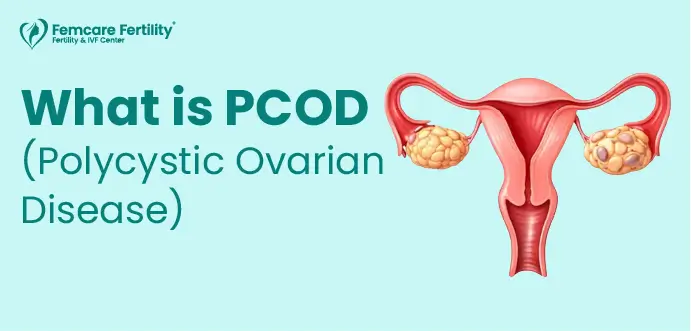
The PCOD full form is Polycystic Ovarian Disease. It is a condition of the hormones where the eggs remain immature, and several small cysts are formed in the ovary. These cysts may interfere with normal ovulation and cause several reproductive and metabolic problems. PCOD is essentially a condition of excess immature egg production by the ovaries, resulting in hormone imbalance and irregular periods.
In recent years, medical experts have claimed that PCOS and PCOD are best categorised as PMOS (Polymetabolic Ovary Syndrome) because it is not just about the ovaries but about the metabolic syndrome as well, including insulin resistance, obesity, and an elevated risk for type 2 diabetes.
What is Polycystic Ovarian Disease (PCOD)?
Women suffering from PCOD can have irregular periods, weight gain, acne, excessive hair growth, and fertility issues. Though PCOD may have an impact on reproductive health, this is manageable. Most women can successfully manage their symptoms and stay healthy with early detection, lifestyle changes, and proper medical treatment.
To understand what PCOD is, it is important to understand the normal menstrual cycle.
In a normal menstrual cycle:
- A mature egg is produced each month in the ovary
- Hormones control ovulation and menstruation
- If the released egg meets a sperm, then fertilisation
In women with PCOD:
- Eggs are not properly developed.
- Ovulation can occur irregularly, or not happen at all
- Several cysts develop in an ovary
- Body hormones are thrown out of balance
How to Recognise the Symptoms of PCOD
Recognising PCOD symptoms early can help prevent complications and improve treatment outcomes.
1. Irregular Menstrual Cycles
One of the most common PCOD symptoms is irregular periods. Women with PCOD can experience longer cycles, frequent or irregular periods or even no periods for a few months. This is due to hormonal irregularities affecting the natural production of an egg.
2. Missed or late periods
Many women have irregular periods or even completely miss their periods because ovulation does not happen regularly. Some may have fewer than 8 periods per year, which can be an important sign of PCOD.
3. Heavy Menstrual Bleeding
Bleeding can sometimes be stronger and heavier, although it may be less frequent. This is because the uterine lining thickens during extended intervals between periods.
4. Weight gain and weight loss problems
Weight gain, especially in the abdominal area, is one of the common problems faced by many women suffering from PCOD. Regular exercise and a healthy diet can help to lose weight, but some hormonal imbalances and insulin resistance may make it challenging.
5. Acne and Oily Skin
A high level of androgens or male hormones can lead to an increase in skin oil production. This can lead to acne, oily skin, and breakouts, which tend to happen a lot on the face, back and chest.
6. Excessive Hair Growth
Excessive hair growth on the face, chin, upper lip, chest, abdomen and other areas of the body is a common symptom called hirsutism. This is because of the higher levels of androgens.
7. Fertility Problems
PCOD can make conception difficult as it often disturbs the ovulation process. Loss of regular or absence of ovulation is one of the most common problems in women with PCOD that causes fertility problems.
Severe Symptoms of PCOD
In the absence of treatment, PCOD could progress to further health issues such as:
- Infertility or trouble conceiving a child
- Severe obesity
- Type 2 diabetes
- High cholesterol levels
- High blood pressure
- Sleep apnoea
- Anxiety and depression
- Having a higher risk of cardiovascular disease.
- Metabolic syndrome
What Causes PCOD?
The exact cause of Polycystic Ovarian Disease (PCOD) is not yet known. But there are a number of known contributing factors. The primary causes are detailed below:
1. Hormonal Imbalance
PCOD is mainly due to a disturbance in reproductive hormones. In women suffering from PCOD the levels of male sex hormones are elevated, which may affect the regular growth and release of eggs from the ovary. This imbalance in the hormones may cause irregular periods, acne, excessive hair growth, missed periods and ovarian cysts.
2. Insulin Resistance
Insulin resistance, in which the cells cannot react properly to insulin, is present in many women who have PCOD. This results in greater insulin secretion to keep blood glucose normal. High insulin levels stimulate excessive secretion of androgens from the ovaries that can make PCOD symptoms worse and lead to weight gain, type 2 diabetes, and metabolic disorders.
3. Genetic Factors
PCOD tends to run in families, so there is a strong genetic association. There is a higher risk of you developing PCOD if your mother, sister, or close female relative has PCOD. No one particular gene is responsible, but there may be several inherited genes that make people more susceptible.
4. Overweight and obesity
PCOD does not directly result from being overweight; it can be a major risk factor and can exacerbate current symptoms. Too much body fat, especially abdominal fat, can cause insulin resistance and hormonal imbalance. Weight loss even of 5-10% can enhance the regularity of menstruation and ovulation in many women.
5. Chronic Inflammation
There is research evidence that many women with PCOD have low-grade chronic inflammation. This ongoing inflammation can trigger an excessive release of androgens from the ovaries, continuing to throw off the hormones’ balance. It can also result in insulin resistance and an elevated risk of chronic diseases such as heart disease.
6. Unhealthy Lifestyle
An unhealthy lifestyle can play a role in worsening or causing the symptoms of PCOD. High consumption of processed food, sugary drinks and refined carbohydrates, along with a lack of exercise, can contribute to weight gain and insulin resistance. Lifestyle factors, such as chronic stress, insufficient sleep and a sedentary lifestyle, can also impact hormonal regulation.
7. Environmental Factors
Some environmental factors may also be a reason for PCOD. Some plastics and household products, cosmetics and other chemical substances can disrupt the normal function of the hormones. Although additional studies are required, it is thought that these factors may be responsible for hormonal imbalance in vulnerable people.
8. Stress
The body’s hormone-producing glands are affected by long-term physical or emotional stress. High levels of stress hormones like cortisol can have an indirect effect on reproductive hormone levels and menstrual periods. Although stress is not considered a direct cause of PCOD, it can aggravate symptoms and make the condition more difficult to manage.
What are the PCOD risk factors?
Several PCOD risk factors that can increase your chances of developing PCOD.
- Family history of PCOD, then there is a higher risk of developing PCOD because it has a genetic component.
- Insulin resistance and hormonal imbalance are also increased factors that make it more likely to develop PCOD if a person is overweight or obese
- Inactivity and very little or no regular exercise can lead to the development of PCOD
- Obesity can cause insulin resistance, which can lead the ovary to produce too much of a male hormone, helping to cause PCOD
- Eating an unbalanced diet of too many processed foods, refined carbohydrates, and sugar can increase insulin resistance and hormonal imbalance
- Normal ovulation can be affected by underlying hormonal disorders, which can lead to increased risk for PCOD
- Long-term stress can cause loss of hormones and worsen the symptoms of PCOD
- Insomnia or sub-optimal sleep may cause a hormonal imbalance
Women who have any of these risk factors should get health check-ups and hormonal tests regularly, which will help them detect and treat PCOD in time.
Difference Between PCOD and PCOS
Both affect the ovaries and hormone levels, but PCOS is generally considered a more complex hormonal and metabolic disorder.
| PCOD | PCOS |
| PCOD is a condition in which the ovaries produce immature or partially mature eggs that develop into multiple small cysts. | PCOS is a hormonal and metabolic syndrome that affects ovulation, hormone levels, and overall health. |
| It is generally considered less severe and is more common. | It is usually more severe and may have long-term health implications. |
| Women with PCOD may still ovulate occasionally. | Women with PCOS often experience irregular ovulation. |
| Fertility may be affected, but many women conceive naturally or with minimal treatment. | PCOS is more likely to cause infertility and may require fertility treatments. |
| It is often managed effectively through lifestyle changes, diet, exercise, and medication. | Treatment usually involves long-term management, including lifestyle changes, medications, and hormonal therapy. |
| PCOD is less commonly associated with serious metabolic complications. | PCOS is associated with a higher risk of insulin resistance, type 2 diabetes, high blood pressure, and cardiovascular disease. |
How is PCOD Diagnosed?
There is no single test to diagnose Polycystic Ovarian Disease (PCOD). Your doctor will examine you, listen to your symptoms, look at your medical history and suggest certain tests to confirm your diagnosis and rule out other possible causes.
1. Medical History
The doctor will ask for information about your periods, symptoms, family history of PCOD or diabetes, changes in weight, and pregnancy issues. Knowing this information can give clues to common symptoms of the disease.
2. Physical Examination
A physical examination may be performed to find out whether there are any physical changes that could indicate a hormonal imbalance, such as acne, excessive hair growth, hair loss, weight gain, dark skin patches and other changes.
3. Pelvic Ultrasound
Another good way to examine the ovaries is by doing an ultrasound of the pelvis. It can detect an enlarged ovary, and if there are multiple small follicles (also called ovarian cysts), as a common feature of PCOD.
4. Blood Tests
Blood tests are used to determine the levels of hormones and to rule out other disorders that have similar symptoms. Your doctor may choose to perform some tests to see if there are issues with:
- Levels of the male hormone (androgen).
- The level of Oestrogen and Progesterone.
- Luteinising hormone (LH) and follicle-stimulating hormone (FSH).
- Blood sugar and insulin levels.
- Your blood cholesterol and lipid levels (also known as your blood lipid profile).
- Thyroid function and Prolactin (as needed)
5. Blood Sugar Assessment
Fasting blood sugar, HbA1c or an oral glucose tolerance test may be done to determine the body’s ability to regulate blood sugar, which is often altered in women with PCOD.
6. Further tests (if needed)
Your doctor may also want to do other tests to look for any other hormone or metabolic problem that may give similar symptoms as PCOD, such as thyroid or adrenal disorders.
7. Early Diagnosis Matters
Follow-up visits to the gynaecologist are very important in the long-term management of PCOD, with prompt treatment and lifestyle changes, regular cycles, better fertility, and symptom control to prevent further complications, e.g. Type 2 Diabetes, High blood pressure, Heart diseases, etc.
PCOD Test Price and Cost Breakdown
The cost of a PCOD test in India varies based on the tests recommended by your doctor, the diagnostic centre, and the city. There is no specific test for PCOD, so doctors typically use a series of blood tests and a pelvic ultrasound to diagnose PCOD and exclude other hormonal conditions.
Here is the approximate PCOD test price in India:
| PCOD Diagnostic Test | Approximate Cost (India) |
| Pelvic Ultrasound | ₹800 – ₹2,500 |
| Hormone Profile (LH, FSH, Testosterone, Oestrogen, Progesterone, etc.) | ₹2,000 – ₹5,000 |
| Blood Sugar Test (Fasting Blood Sugar or HbA1c) | ₹300 – ₹1,000 |
| Insulin Test | ₹500 – ₹2,000 |
| Lipid Profile | ₹500 – ₹1,200 |
| Thyroid Function Test (TSH) | ₹300 – ₹800 |
If your doctor recommends a comprehensive PCOD evaluation package, the overall cost generally ranges from ₹3,500 to ₹10,000, depending on the number of tests included and the healthcare facility.
PCOD Treatment: What You Need to Know
The main approach to PCOD treatment is to control its symptoms, hormonal balance and fertility enhancement.
Medical Treatment
Doctors may prescribe:
- Oral contraceptive pills
- Ovulation-inducing medications
- Insulin-sensitising medicines
- Hormonal therapy
- Fertility medications
- Treatment will depend on symptoms, pregnancy goals and age.
Natural Treatment
There are also natural remedies that are useful for many women.
These include:
- Weight management
- Stress reduction
- Yoga
- Meditation
- Balanced nutrition
- Regular exercise
- Medical treatment can be supplemented with natural methods that can be effective.
Lifestyle Changes
One of the most crucial factors to come to terms with in the process of treating PCOD is lifestyle changes.
Recommended changes include:
- 30 minutes of walk/exercise every day
- Reducing processed foods
- Improving sleep quality
- Managing stress levels
Regular lifestyle changes can make a huge difference in alleviating symptoms and enhancing fertility.
PCOD Diet Plan
Choose whole, nutrient-rich foods that support hormonal and metabolic health.
1. High-Fibre Foods
Foods with high fibre content can help to maintain healthy blood sugar levels, aid digestion and make you feel fuller for longer.
Include:
- Oats
- Brown rice
- Whole wheat
- Quinoa
- Millets
- Lentils
- Beans
2. Lean Protein Sources
Protein is used to make hormones, maintain muscle health and facilitate weight management.
Include:
- Eggs
- Fish
- Skinless chicken breast
- Tofu
- Paneer
- Greek yoghurt
- Lentils and legumes
3. Healthy Fats
Healthy fats have anti-inflammatory effects and are beneficial to reproductive health, as well as hormonal health.
Include:
- Avocados
- Almonds and walnuts
- Chia seeds
- Flaxseeds
- Pumpkin seeds
- Olive oil
4. Fresh fruits and vegetables
Fruit and vegetables are packed with vitamins, minerals, fibre and antioxidants, which are beneficial for overall health, making them colourful.
Include:
- Spinach
- Broccoli
- Carrots
- Cucumbers
- Berries
- Apples
- Oranges
6. Fats, Oils and Greases
Low-GI foods slow the rise in blood sugar after eating, and enhance insulin sensitivity.
Include:
- Sweet potatoes
- Whole grains
- Brown rice
- Chickpeas
- Kidney beans
- Non-starchy vegetables
Foods to Avoid with PCOD
Some foods can make your insulin sensitivity go on the rampage, raise inflammation and worsen PCOD symptoms. It is advisable to restrict and/or avoid:
- Sweets and sugary drinks, soft beverages
- Sweets, chocolates and desserts
- Refined flour (maida) foods
- Whole-grain bread or white rice
- Cakes, pastries, biscuits and doughnuts
- Foods that are fried and high in oil
- Baked goods and processed foods
- Processed and packaged foods
- Excessive caffeine
- Beverages containing alcohol or sugar
Dietary Tips for Women with PCOD
Apart from selecting healthy foods, these are some simple lifestyle changes that help control PCOD better:
- Have healthy meals at regular intervals and don’t skip breakfast
- Eat foods that have protein and fibre at all meals
- Stay well hydrated by drinking plenty of water
- Limit processed and sugary foods
- Get regular exercise to increase insulin sensitivity
- Ensure proper rest and relieve stress through yoga, meditation or relaxation
PCOD symptoms and treatment are closely linked, making early dietary changes, diagnosis and proper care essential for better health outcomes.
Can PCOD Be Cured Permanently?
One of the most common questions is whether PCOD can be cured forever.
The answer is that although sometimes PCOD might not be cured forever, it can be effectively managed. Symptoms are easily managed, and reproductive function is normal in many women who use:
- Medical treatment
- Healthy eating habits
- Weight management
- Regular exercise
- Stress reduction
- Timely fertility care
For some women, symptoms reduce or stop for extended periods of time when changes in life habits are maintained. Learning about PCOD symptoms and treatment can help you make informed decisions about your reproductive and hormonal health.
When Should You See a Doctor?
Lots of women don’t take note of abnormal periods or light symptoms for a long time. Early medical treatment can prevent complications and enhance fertility outcomes, however.
If you have any of these symptoms, please seek advice from a fertility specialist or gynaecologist:
- Irregular menstrual cycles
- Not getting your period for a few months
- Difficulty conceiving
- Hypertrichosis of the face.Facial hypertrichosis.
- Severe acne
- Rapid weight gain
- Pelvic pain
- Hair thinning
- Recurrent miscarriages
Early diagnosis can ensure that doctors can start the most appropriate treatment for PCOD before it escalates.
Conclusion
Knowing pcod full form, how to spot the signs and symptoms of PCOD, understanding the underlying causes, identifying each of the risk factors for PCOD and seeking timely medical attention can work wonders. Understanding PCOD symptoms and treatment is essential for early diagnosis, effective management, and improved reproductive health.
If you are having symptoms or have concerns about your reproductive health, it may be time to talk with an experienced fertility specialist who can help to diagnose you with accuracy and craft your unique treatment plan.
Advanced PCOD Care for Your Fertility Journey
At Femcare Fertility, we understand that every woman’s fertility journey is unique. Our experienced fertility specialists provide comprehensive diagnosis, personalised treatment plans, and advanced reproductive care for women dealing with PCOD-related fertility challenges.
FAQs
1. What is PCOD in layman’s terms?
PolyCystic Ovarian Disease (PCOD): It is a hormonal disorder of the ovary. It stimulates the production of immature eggs by the ovary that can turn into small cysts. This may cause irregular periods, hormonal imbalance and the inability to conceive.
2. Is PCOD serious?
PCOD is not a life-threatening illness; however, it cannot be overlooked. If untreated, it can lead to type 2 diabetes, obesity, other health issues, and infertility. With early diagnosis and adequate treatment, it is possible to control the condition.
3. Which is the most common cause of PCOD?
PCOD has no single cause; however, hormonal imbalance is the underlying cause. Other factors that can play a role in its development include insulin resistance, genetics, obesity and bad lifestyle choices. These all disrupt the natural ovulation and hormone production.
4. What is the price of a PCOD test?
On average, the price of a PCOD test in India is between ₹2,500 and ₹8,000. The overall cost will depend on the number of blood tests, ultrasound scans and the healthcare facility. Your doctor will recommend the appropriate tests that will be required, depending on your symptoms.
5. Is there a cure for PCOD?
PCOD is a condition that cannot be cured permanently. However, its symptoms can be effectively managed with lifestyle changes, medication, and regular medical care. With the proper treatment, many women can live healthy lives.
6. Is PCOD treatable?
Yes, PCOD can be treated. Medications, diet, exercise, weight management and fertility treatments (if needed) may be part of the treatment. Based on your symptoms, your doctor will prescribe a special treatment plan for you.
7. What causes PCOD?
PCOD is caused by a hormonal imbalance interfering with the process of ovulation. The ovary instead forms immature eggs that can form several small cysts. This may lead to irregular periods and other hormonal irregularities.
8. What are the ways to manage PCOD?
A healthy diet and exercise are two treatments that can help manage PCOD. A balanced diet, stress management, and enough sleep are also important. Following your doctor’s advice and taking prescribed medications can further help control symptoms.
9. What is the difference between PCOD and PCOS?
PCOD and PCOS are not the same, as they have similar symptoms. PCOD is a less serious problem, whereas PCOS is a more complex hormonal and metabolic disorder. They both need correct diagnosis and medical management.
10. Is there any natural treatment for PCOD?
While there is no natural cure for PCOD, the symptoms can be greatly improved. Favouring the right diet, physical activity, stress reduction, and good sleep can help balance hormones. These lifestyle changes may also help to make menstruation more regular and improve fertility.
11. Which foods to avoid with PCOD?
For women suffering from PCOD, sugar, refined carbohydrates and unhealthy fats should be avoided. Snacks like processed, fried foods, sugary beverages and candy can make insulin resistance and weight gain worse. Eating whole grains, lean protein, fruits and veggies is a healthier choice.
12. Can PCOD cause infertility?
Yes, PCOD can cause irregular periods and make the woman more likely to have irregular periods and have trouble getting pregnant. But this doesn’t indicate that a pregnant lady can’t have a child. Most women who suffer from PCOD can conceive using lifestyle changes, medication or fertility treatments.
13. How to cure PCOD?
Treatment for PCOD varies depending on the symptoms, age and need for pregnancy. Treatment may include lifestyle modifications, medications and periodic checkups. This individualised approach is beneficial in controlling symptoms and enhancing reproductive health.