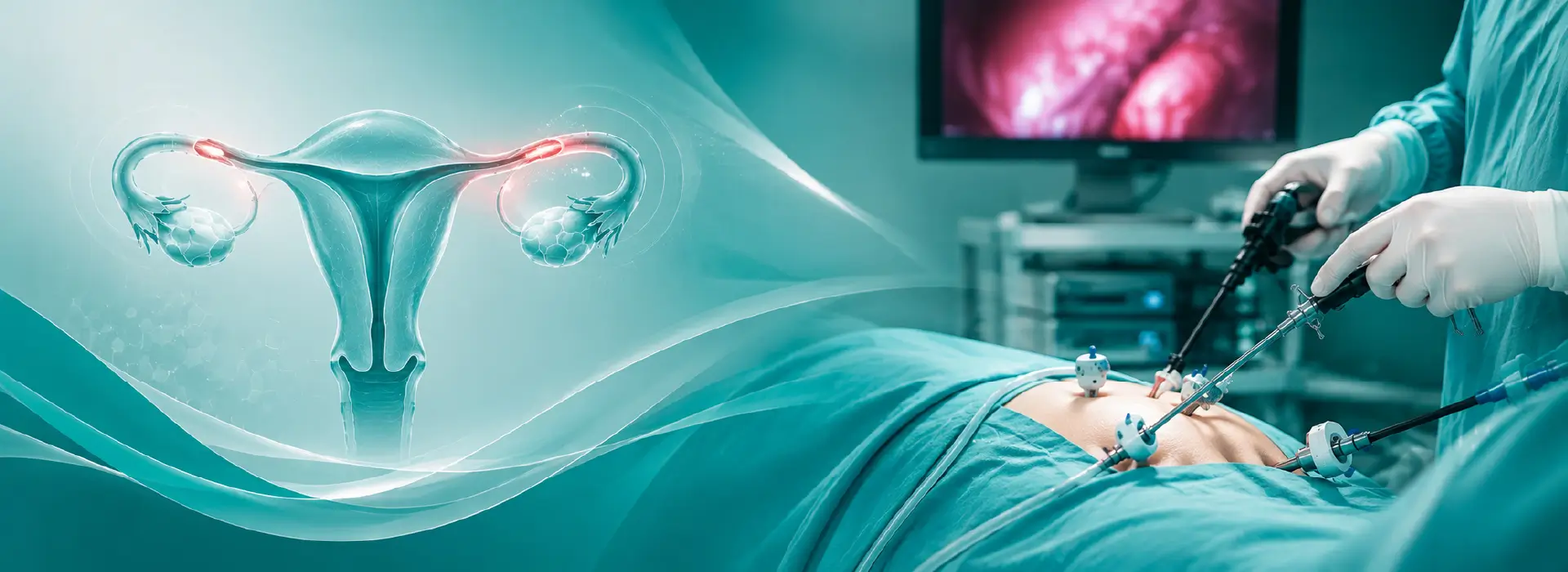
Healthy fallopian tubes are essential for conception, and blockages can prevent the egg and sperm from meeting, reducing the chances of pregnancy. At Femcare Fertility, our experienced fertility specialists and laparoscopic surgeons provide advanced fertility treatments and tuboplasty surgery to help women overcome tubal infertility and move closer to their dream of parenthood.

Medical Director, Laparoscopic Tuboplasty Experts & Female fertility expert | IVF Expert
12+ years of experience
Consultation Area: Pune

Chief Fertility Consultant Laparoscopic Tuboplasty Experts | Female Fertility Consultant
13+ years experience
Consultation Area: Pune

Chief Embryologist
12+ years experience in reproductive medicine and advance ART technologies PhD in Genetics of Male Infertility
Consultation Area: Pune

Male Infertility Specialist | Laparoscopic Tuboplasty Experts & ICSI Expert
12+ years of experience
Consultation Area: Kolkata

Senior Specialist Embryologist
25+ years embryology expertise
Certified PGT specialist (IGENOMIX)
Consultation Area: Kolkata

Infertility Specialist & Female Fertility Expert MBBS, M.R.C.O.G (UK), Diploma in Psychological Counsiling, Fellowship in Reproductive Medicine, F.R.C.O.G (UK)
30+ years of experience

Infertility Specialist, MS, DNB, FRM, FMAS (Fellowship in Minimal Access Surgery), DMAS (Diploma in Minimal Access Surgery
14+ years of experience
Consultation Area: Kolkata
At our Baner location in Pune, we provide state-of-the-art treatment in fertility and minimally invasive reproductive surgeries such as tuboplasty surgery. Our expert fertility doctors use advanced diagnostic and surgical procedures to create a treatment plan that is customised to each woman's blocked fallopian tube. We are dedicated to making sure that our couples reach their dream of parenthood through our patient-centric, compassionate approach.
To book an appointment in Pune, Call : +91-9967050566
At Femcare Fertility – Kalyani Nagar, Pune, patients will find a thorough fertility solution that addresses their specific requirements. Our highly trained team has specialties in advanced fertility treatments and in laparoscopy, which are effective solutions for tubal infertility. The clinic has state-of-the-art equipment and a team of professionals who are dedicated to providing high-quality treatment.
To book an appointment in Pune, Call : +91-9967050566
Femcare Fertility – Entally, Kolkata is dedicated to providing the best fertility treatment and reproductive health care services. Our skilled fertility doctors offer the latest Laparoscopic Tuboplasty services to restore the function of the fallopian tube and increase women's chances of having a natural pregnancy.
To book an appointment in Kolkata, Call : +91-8484069668
“Highly experienced doctors and embryologist. Dr. Sudarshan is one of the few embryologists in India who has Phd in male Infertility. Dr. Pallavi is very smart doctor. She understands the root cause of problem and explains everything in simple language. Very happy to choose Femcare fertility for our treatment.”
“Femcare Fertility is very good IVF centre with advanced facilities. It is easily accessible from balewadi, waked, hinjawadi, ravet, pashan and nearby areas. ”
“Femcare Fertility has been a blessing for us. We were trying for more than 2 years, at Femcare doctor suggested fertility enhancing surgery to better success chances. After the surgery and with guided ovulation, we were able to conceive naturally.”
Laparoscopic tuboplasty, or tuboplasty surgery, is a minimally invasive surgical procedure that is used to repair a blocked or damaged fallopian tube. It has been used widely in women who are having trouble getting pregnant because of blocked or scarred fallopian tubes, adhesions or other fallopian tubal abnormalities. The advanced version of fallopian tube repair surgery is to help increase fertility and ensure that the egg and the sperm meet naturally. It's a valuable blocked fallopian tube treatment option for many women and can decrease the need for more involved fertility treatments.
A blocked fallopian tube treatment might be suggested if you have any of the following:
Laparoscopic Tuboplasty is especially beneficial for women looking for a natural pregnancy who have appropriate tubal conditions.
Your fertility specialist will examine your medical history, fertility history and past medical treatments. Diagnostic tests are used to assess if tubal surgery is the right treatment choice.
Tests may include:
The doctor then creates a high-quality and individualised surgical plan based on the results. The size and position of the blockage dictate the type of surgery.
The procedure is carried out under general anaesthetic to make sure that the patient is comfortable and safe during the procedure.
Small cuts are made into the belly. The tubes are visualised and repaired using a laparoscope and special instruments. The surgeon may:
At the end of the tuboplasty surgery, the surgeon will check to make sure the tubes are open and working as well as possible.
The vast majority of patients are in at home within 24 hours. Follow-up appointments may be necessary to be able to monitor healing and discuss plans for conception.
This Laparoscopic Tuboplasty timeline includes a variety of steps, ranging from fertility assessment and diagnosis to surgery, recovery, and post-treatment fertility monitoring.
Your fertility doctor will thoroughly assess your fertility, look at your medical records, and have diagnostic tests like blood tests, ultrasound scans and HSG before the procedure. From the results, a tailored treatment method is developed and pre-operative information on medications, fasting and surgery preparation is provided.
This is done under a general anaesthetic. The surgeon can make small incisions into the abdomen to remove blockages, release adhesions and repair fallopian tubes using specialised laparoscopic tools. After surgery, you will be monitored in the recovery room before being discharged, which is typically within 24 hours.
The first week is a period of rest/recovery. It's common for people to experience mild abdominal discomfort, bloating and tiredness with prescribed medicines. Most of the patients return to light daily activity in a few days; they avoid strenuous exercise and heavy lifting.
The body's internal healing process goes on all the time during this period. Future consultations will be arranged to check recovery and to make sure the fallopian tubes are working. If necessary, your fertility specialist may conduct further tests.
After healing, couples can start to conceive naturally according to the doctor's suggestion. Frequent fertility checkups may be recommended, and if pregnancy doesn't happen within a reasonable time, other fertility treatments like IUI or IVF can be taken into consideration.
The cost of Laparoscopic Tuboplasty in India is approximately ₹60,000 to ₹1,50,000. The actual price will depend on how much the tubal blockage is, how complicated the surgery is, the experience of the surgeon, the facilities at the hospital, diagnostic investigations, anaesthetic fees, and the need for post-operative care.
The cost of Laparoscopic Tuboplasty in India varies depending on several factors, including:
Younger women and those with mild to moderate tubal damage generally experience the highest pregnancy success rates following treatment.
The success rate is highest in this group of women. The fallopian tubes can usually be repaired, and there is generally a high-quality egg supply, with a 75-85% chance of pregnancy following successful fallopian tube repair surgery.
Fertility is still quite good, and after blocked fallopian tube treatment, many women conceive naturally. The rate of success is 70-80%.
While tubal repair can still be very successful, egg quality decreases with age. Approximately 60-70% of the babies are born.
Success rates are further lowered as both the quality and quantity of the egg may be compromised. Women in this age group can expect to get pregnant between 45% and 60% after undergoing tubal blockage treatment.
Laparoscopic Tuboplasty can open the tube, but the age of the woman will impact the likelihood of conception. Fertility is typically lower (25% - 40%), and sometimes IVF is used as an alternative treatment choice. Some factors influence success:
Laparoscopic Tuboplasty offers several advantages, including:
Tubal blockage treatment restores the normal function of blocked or damaged fallopian tubes, which can increase the chances of becoming pregnant before using assisted reproductive technology (ART) or any other medical procedure.
The surgery is done with the help of advanced laparoscopic instruments through small incisions, leaving less damage to the tissues involved as compared to conventional open surgery.
Most women have a faster recovery after Laparoscopic Tuboplasty, allowing them to get back to their daily life in less time.
The incisions made during this surgery are small and create very little scarring, as compared to an open surgery.
Patients can go home within 24 hours after the procedure, which minimises hospital stays and enhances comfort.
As the surgery is minimally invasive, patients experience less pain and discomfort during recovery.
In contrast to some fertility treatments, which do not use the fallopian tubes, Laparoscopic Tuboplasty is designed to restore natural tubal function and maintain the body's natural reproductive process.
If the tubal blockage is mild to moderate, women may have a better chance of getting pregnant again after successful fallopian tube repair surgery.
As with any surgical procedure, there are risks involved with Laparoscopic Tuboplasty, but the procedure is not likely to cause serious complications.
Potential risks include:
Recovery from tubal blockage treatment is typically uneventful, as the surgery is done with laparoscopic techniques. Most women can go home the same day or within 24 hours and can return to normal activities in a few days. Knowing what to anticipate following surgery can help make for a comfortable recovery and favourable fertility results.
Some mild abdominal pain, bloating, tiredness or uncomfortable feelings in the shoulder may occur for a couple of days following surgery. They typically go away and can be treated with medications and rest.
Since only small incisions are made, recovery is usually faster than with conventional open surgery. Most patients are able to resume light daily activity a week after the procedure, but strenuous exercise or heavy lifting should be avoided until clearance is given by the doctor.
Additional appointments will be scheduled with your fertility specialist to track healing, recovery and the success of the fallopian tube repair. These appointments are important for ensuring optimal reproductive health.
After the fallopian tubes have recovered, your doctor might suggest fertility testing – such as checking your reproductive health and monitoring ovulation – to improve your chances of conceiving.
For many women, the period of recovery is over, and they can resume attempting to conceive naturally after a period of one to three menstrual cycles, as per their condition and surgeon's guidance.
After a reasonable amount of time, if pregnancy doesn't happen naturally, your fertility doctor may suggest fertility therapy like IUI or IVF to further enhance the likelihood of pregnancy.
Laparoscopic Tuboplasty may be an option for those who qualify for the procedure and could make pursuing a natural pregnancy a more realistic goal, bringing couples closer to the parenthood they desire.
Fallopian tube repair surgery can make the fallopian tube functional again; however, there are some lifestyle and fertility-related steps you can take to enhance your chance of conception.
For best results in healing and fertility following Laparoscopic Tuboplasty, it is crucial to adhere to all post-operative instructions, medications and follow-up visits.
Ovulation and hormone levels may be affected by being overweight or underweight. Being a healthy weight and having no other health problems is going to increase your chances of becoming pregnant.
Consume plenty of fruits, vegetables, whole grains, lean protein and healthy fats. Reproductive health and recovery from surgery are improved with good nutrition.
Smoking can damage the reproductive organs, damage the quality of the eggs and damage fertility. Giving up smoking can make it easier to get pregnant.
Too much alcohol and caffeine use can impact fertility. When a woman is seeking pregnancy following tuboplasty surgery, it is recommended that she be moderate.
Be aware of when you are ovulating to be more aware of your best days around sexual activity and have the easiest natural conception.
Moderate to mild cardio exercises improve general health, circulation and hormones. But refrain from exercise until your doctor says it's safe.
The effects of chronic stress could disrupt hormone levels and fertility. Engaging in yoga, meditation, deep breathing exercises or other relaxation training can help promote emotional health.
Other factors, such as endometriosis, polycystic ovary syndrome (PCOS), pelvic inflammatory disease (PID), hormonal imbalances and others should be treated so as to increase your chances of having a successful pregnancy.
Periodic checks will help your fertility doctor track your recovery, check tubal function and suggest further treatment if necessary.
Male fertility is also of great importance in the conception process. A balanced diet, regular exercise and a healthy lifestyle with the avoidance of harmful habits can contribute to improving the outcome of pregnancy.
You should consult a fertility specialist if you have been trying to conceive for over a year without success, have irregular menstrual cycles, a history of pelvic infections, endometriosis, ectopic pregnancy, or known fallopian tube blockage. Women over 35 should seek evaluation after six months of unsuccessful attempts to conceive. Early diagnosis and treatment can improve fertility outcomes and increase the chances of achieving a healthy pregnancy.
Depending on your fertility evaluation, your doctor may recommend additional or alternative fertility treatments.
This enhances the chance of sperm getting to the egg and fertilising it. Couples may be able to use IUI if one fallopian tube is open and healthy. It is generally recommended when there is an unclear cause of infertility in men, in mild male factor, cervical factor or when there are problems with ovulation. Some fertility medications can be used in conjunction with IUI to increase the likelihood of pregnancy.
Click here to know more about IUI treatment
In IVF, eggs are retrieved from the ovary and fertilised with sperm in a specialised laboratory. The resulting embryo is then gently and precisely inserted into the uterus. IVF avoids the fallopian tubes altogether, making it a suitable option for women who have suffered severe damage to their fallopian tubes, bilateral blockage, hydrosalpinx or have had a poor response after Laparoscopic Tuboplasty. Other fertility issues, like male infertility or advanced age in the woman, may also necessitate IVF.
Click here to know more about IVF treatment
Ovulation induction is the process of taking fertility drugs to stimulate the ovaries and get them to produce healthy eggs. This treatment is especially useful for women who don't ovulate normally or ovulate irregularly. This is monitored by an ultrasound scan and hormones, which show the growth of the follicles and the time for conception.
A hysteroscope is a thin telescope-like instrument that is inserted into the uterus during a hysteroscopy. It can be used to diagnose and treat uterine diseases that may affect implantation or pregnancy.
Our staff has a wealth of knowledge in the field of reproductive medicine and advanced laparoscopy.
We employ state-of-the-art diagnostic and surgical techniques to deliver precise evaluations and successful treatment options.
Each patient is provided with a customized fertility plan that suits their individual needs for their reproductive health.
Everything you need for diagnosis, treatment and follow-up is available at one place.
We are dedicated to providing you with care, communication, and emotional support through your fertility journey.
The clinics are fitted with state-of-the-art fertility facilities, which provide excellent treatment and patient comfort.
We give our patients straightforward information and rely on scientific data to offer them the information they need to make choices for their fertility treatment.
Every parenthood journey deserves a clear path forward. At Femcare Fertility, we combine surgical expertise, advanced technology, and compassionate care to help restore healthy fallopian tube function.
Laparoscopic Tuboplasty may be a suitable option for women who have blocked or damaged fallopian tubes, mild to moderate tubal disease, pelvic adhesions, and tubal-factor infertility. Through a comprehensive evaluation, a fertility specialist will be able to establish eligibility.
The surgery usually takes 1 to 3 hours, depending on the size of the blockage. Most women can expect to recover in a few weeks, with the majority returning to normal activities within a short time.
Success depends on several factors, including the woman's age, location and severity of tubal blockage, overall reproductive health, presence of endometriosis, ovarian reserve, and partner fertility factors.
This can differ depending on the surgery being performed, tests that may need to be conducted, the surgeon's experience, hospital accommodations, anaesthetist fees and recovery and rehabilitation requirements.
Yes. When performed by experienced laparoscopic surgeons, Laparoscopic Tuboplasty is a generally safe procedure that is effective. Like all surgery, there are some risks but these are not likely to be significant.
The surgery is done under general anaesthesia, meaning that the patient does not feel any pain during the surgery. During recovery, there may be mild discomfort, bloating or abdominal soreness that can be treated with medication.
Laparoscopic Tuboplasty is usually done in one surgery. If the pregnancy is not conceived naturally, there may be further fertility treatment needed later on.
Patients should not lift heavy objects, engage in strenuous activity or have sexual relations until told to do so by their doctor. By following the postoperative care instructions carefully, proper healing and recovery can be ensured.
Laparoscopic Tuboplasty can be performed if only the tubal blockage is the cause of the infertility and the fallopian tubes are still functional. The doctor who specialises in fertility will find out which option is better – surgery or other fertility treatments like IVF.
If you are struggling to get pregnant, have been diagnosed with blocked fallopian tubes, have had a history of pelvic infections, ectopic pregnancy, endometriosis or other conditions that may have an impact on tubal function and fertility, you should discuss this with a fertility specialist.
Fill in the details below to get a callback instantly

2nd Floor, Avenue Imperia, Baner Gaon, Pune, Maharashtra 411045
Call :+91 88550 33028
Office 102, 1st Floor, Suman Business Park, Kalyani Nagar, Pune, Maharashtra 411014
Call :+91 99670 50566
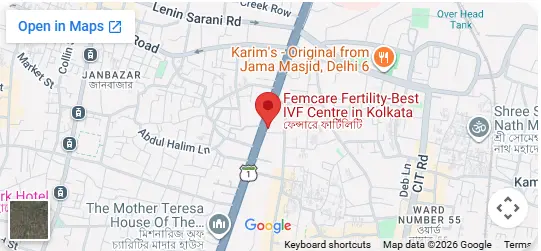
1st Floor, 162B, Acharya Jagdish Chandra Bose Rd, Entally, Kolkata, West Bengal 700014
Call :+91 84840 69668