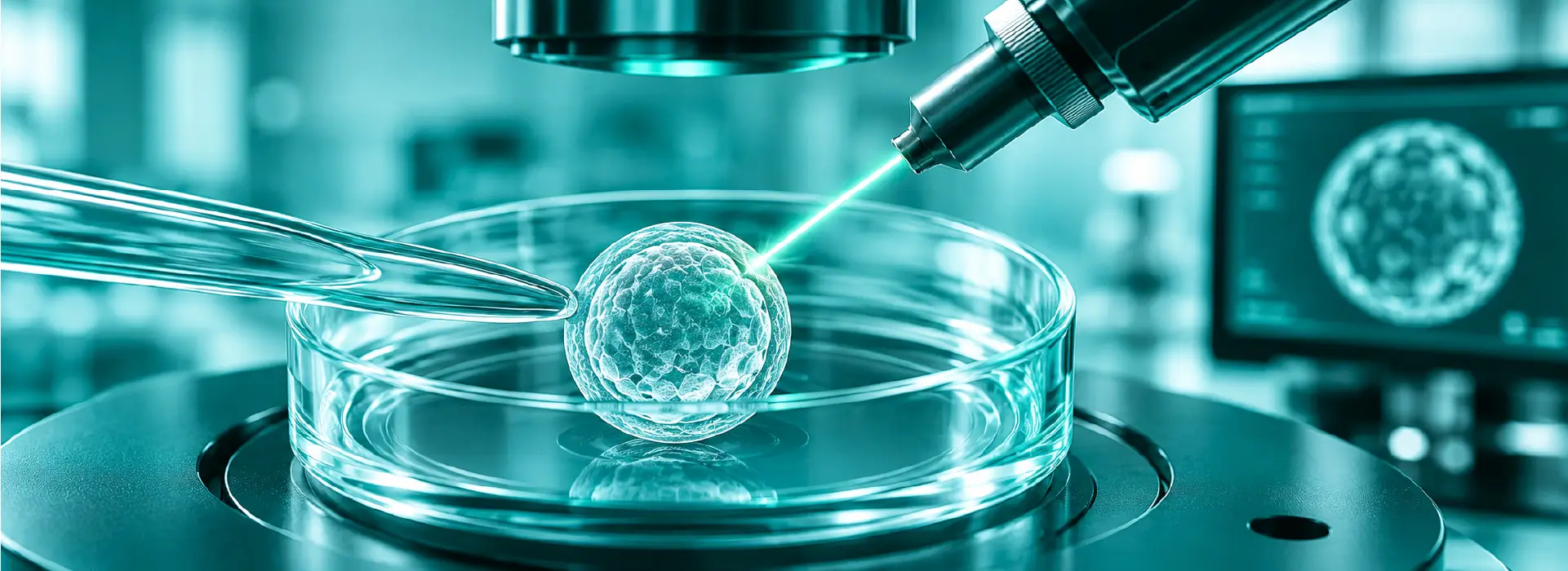
Wondering why some healthy embryos fail to implant during IVF? Laser Assisted Hatching Treatment is an advanced laboratory technique that helps improve the embryo's chances of attaching to the uterine lining and achieving a successful pregnancy. Our experienced fertility specialists and embryologists carefully determine whether laser assisted hatching in IVF is suitable for your unique fertility journey.
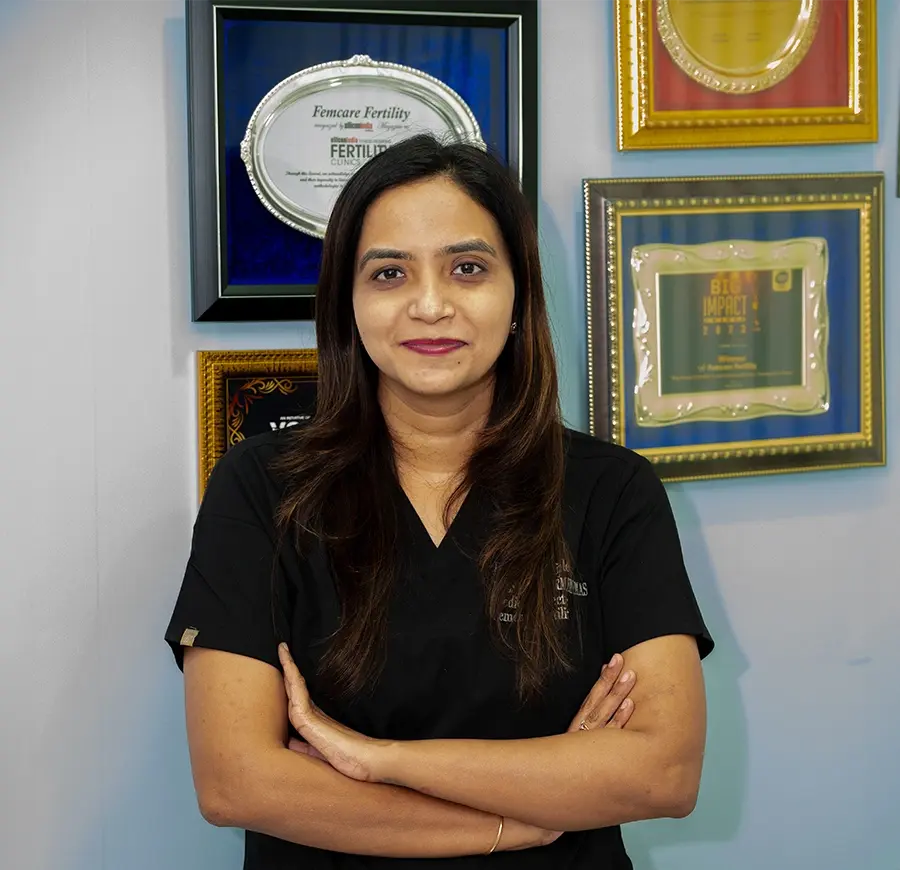
Medical Director, MD, DGO, FRM, MBBS In vitro fertilization Specialist & Gynecologist
12+ years of experience
Consultation Area: Pune

Chief Fertility Consultant and Clinical Head
IVF Specialist, endoscopic surgery, immunology & regenerative therapies
13+ years experience
Consultation Area: Pune
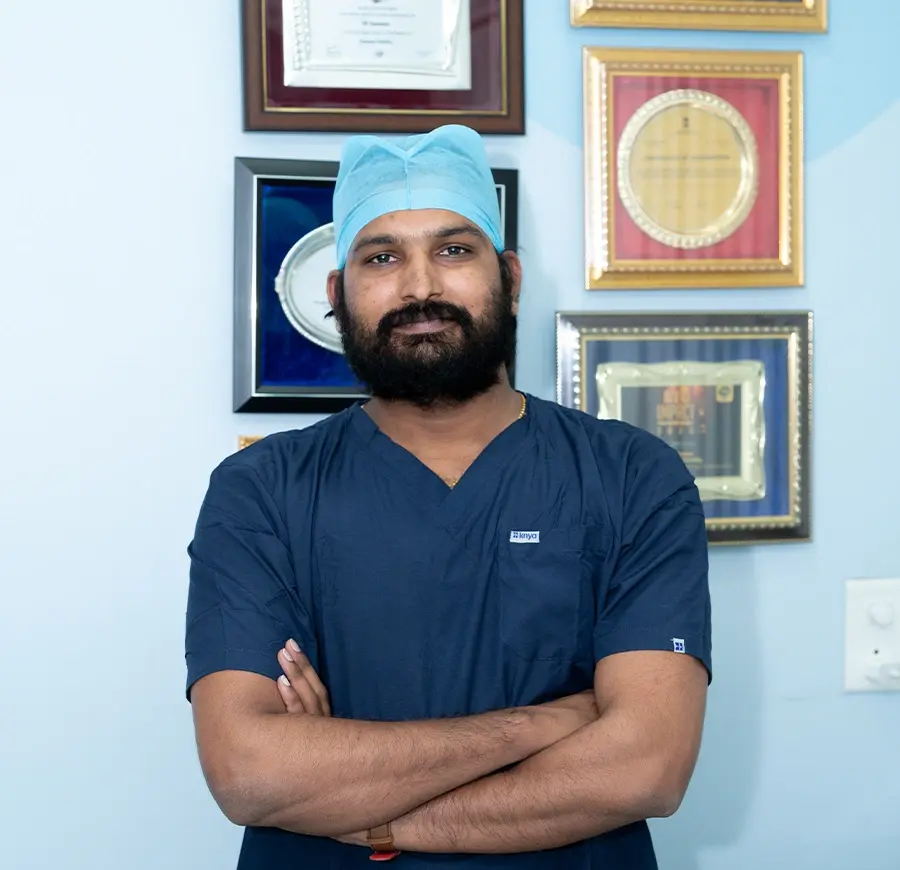
Chief Embryologist
12+ years experience in reproductive medicine and advance ART technologies PhD in Genetics of Male Infertility
Consultation Area: Pune
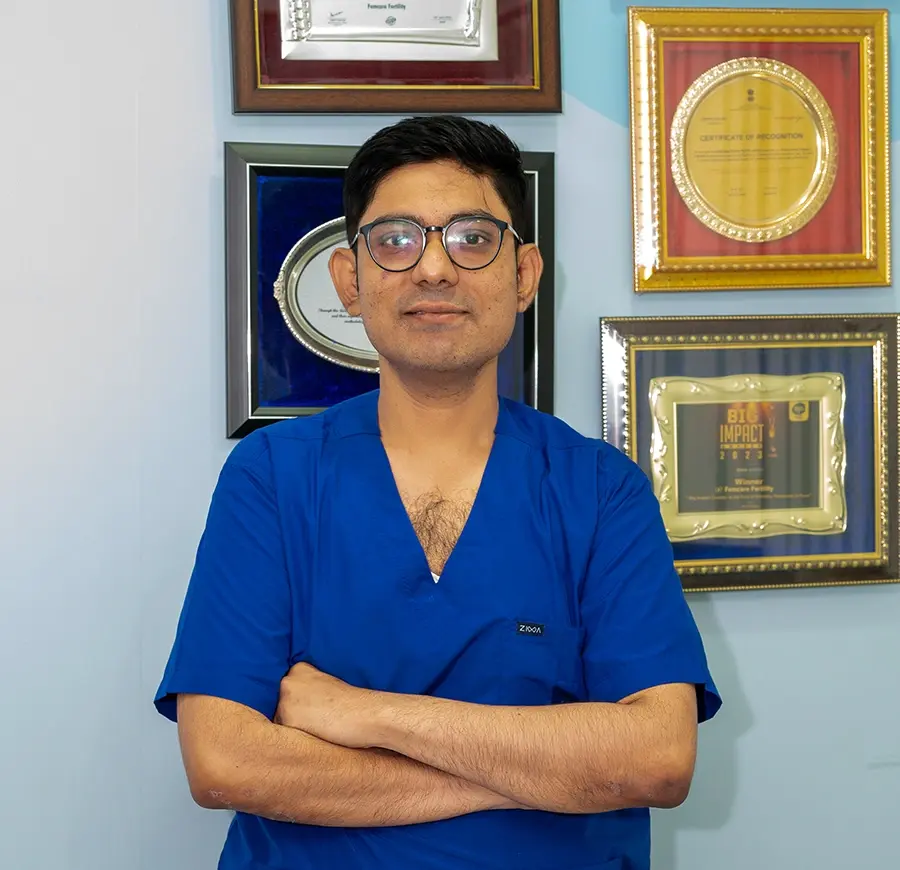
Infertility Specialist, MBBS(Gold Medalist), MS, MCh (Reproductive Medicine)
12+ years of experience
Consultation Area: Kolkata
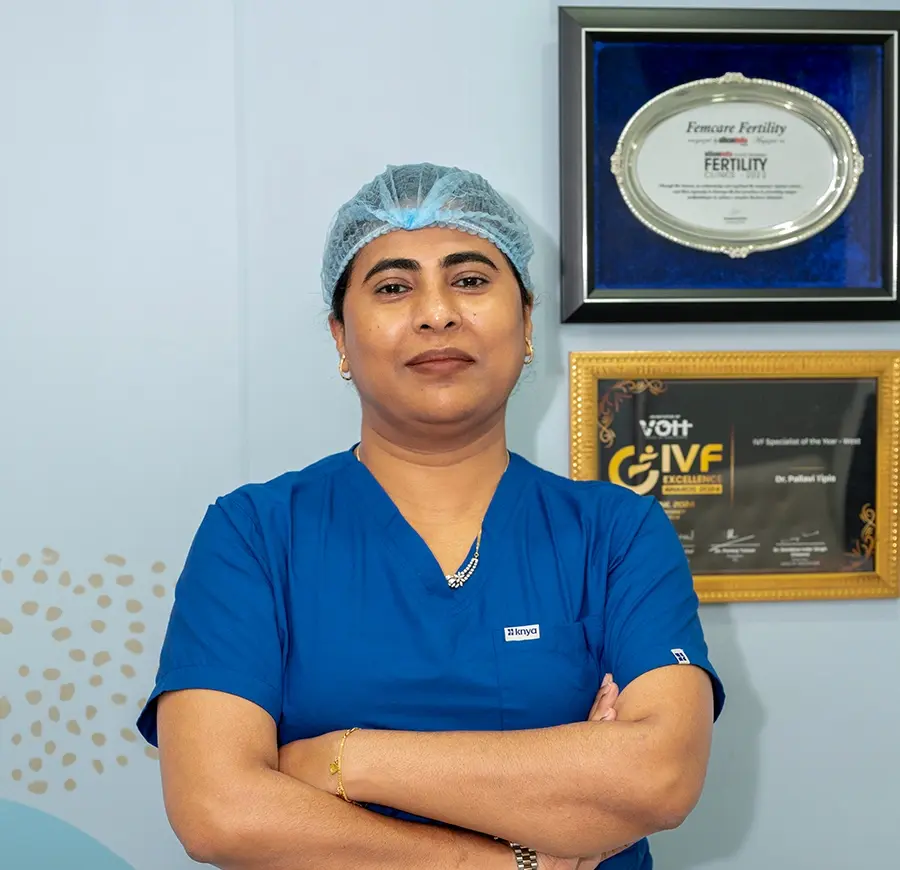
Senior Specialist Embryologist
25+ years embryology expertise
Certified PGT specialist (IGENOMIX)
Consultation Area: Kolkata

Infertility Specialist & Female Fertility Expert MBBS, M.R.C.O.G (UK), Diploma in Psychological Counsiling, Fellowship in Reproductive Medicine, F.R.C.O.G (UK)
30+ years of experience

Infertility Specialist, MS, DNB, FRM, FMAS (Fellowship in Minimal Access Surgery), DMAS (Diploma in Minimal Access Surgery
14+ years of experience
Consultation Area: Kolkata
At our Baner centre, advanced fertility care meets compassionate support, making each step of your journey to parenthood smoother. Our experienced fertility specialists, custom treatment plans, and cutting-edge IVF technology are all geared towards helping every couple achieve the best chances of achieving pregnancy.
To book an appointment in Pune, Call : +91-9967050566
We believe that every fertility journey should be treated on a case-by-case basis and our Kalyani Nagar clinic is the place to receive your personalised treatment for fertility. With a combination of innovative reproductive techniques and expert medical care, we develop individual treatment plans, ensuring the best possible results for you while keeping your comfort, transparency and support in mind throughout.
To book an appointment in Pune, Call : +91-9967050566
It is a one-stop solution for experienced fertility doctors, modern embryology labs and patient-centric treatment in one place at our Entally centre. We will be here to offer you trusted advice, tailor-made treatments and support throughout your parenthood journey, from your first consultation until you have successfully conceived.
To book an appointment in Kolkata, Call : +91-8484069668
“I had a wonderful experience at Femcare Fertility Hospital. Dr. Pallavi Mam is too good, very positive in nature and she made us feel positive and confident from the first consultation to throughout the process.”
“The team at Femcare is professional, compassionate, and truly dedicated to helping their patients. I highly recommend them for anyone seeking fertility treatment.”
“My experience with Femcare fertility was very good. Dr. Pallavi has a positive and supportive approach. The treatment was effective, and the staff were professional and helpful.”
Laser Assisted Hatching (LAH) is an advanced embryology procedure performed during an IVF cycle to improve the chances of embryo implantation. Laser assisted hatching treatment in IVF is not required for every patient. It is recommended only after careful evaluation of factors such as embryo quality, maternal age, previous IVF outcomes, and the thickness of the zona pellucida. At Femcare Fertility, every embryo is evaluated individually before recommending laser assisted hatching IVF.
While many embryos will hatch by themselves, there are cases where patients may want to try assisted hatching IVF to help the embryo implant. This procedure might be advised by your fertility practitioner based on your medical history and the embryos' quality.
Maternal ageing can lead to a thicker and less pliable zona pellucida. For women aged above 35 years, Laser-assisted hatching IVF India comes as a boon, as it provides embryo implantation during IVF treatment.
Laser assisted hatching may be useful for couples with multiple failed IVF attempts after the transfer of good-quality embryos. The technique could be useful in cases of an embryo shell that has become too firm, causing implantation problems.
The outer layer properties of the embryo may change during the freezing and thawing process. Laser-assisted hatching treatment before IVF embryo transfer could be useful in certain frozen embryo transplantations to enhance the implantation potential.
Assisted hatching is recommended when the embryologist notices an unusually thick outer shell around the embryo under the microscope, and it will aid in allowing the embryo to hatch after being transferred into the uterus.
Patients who consistently make healthy embryos, but do not get the embryo to implant, could be suitable candidates for laser assisted hatching following appropriate assessment.
Some embryos grow more slowly and could get an advantage by having a small hole in the zona pellucida to allow for easier implantation.
The advanced technology of laser assisted hatching IVF can also be useful for some donor egg IVF cycles and frozen embryo transfers, depending on embryo quality and lab assessments.
The process of laser-assisted hatching IVF in India itself takes a few minutes, but each step is carried out in a very precise manner to ensure the safety of the embryo and maximise its implantation capabilities.
In this step, the patient's eggs are stimulated and retrieved. In this process, the fertility specialist closely follows the development of follicles by performing ultrasound scans and blood tests.
If fertilisation is successful, then embryo formation takes place. Embryos are then incubated in sophisticated laboratory incubators, which simulate the environment of the female reproductive system.
Embryologists are closely watching the embryos for 3 – 5 days to ensure they develop normally. Factors such as: are assessed for each embryo:
Assisted hatching isn't always necessary. The embryologist will consider the following clinical factors before the procedure is performed:
The process typically takes under a minute per embryo and can be carried out in a very precise manner to minimise embryo handling and damage.
The embryo enters the uterus and starts to break free from the zona pellucida completely before it embeds in the uterine wall.
A blood test is done 10-14 days after embryo transfer to assess the level of beta hCG to determine if they have been successfully transferred.
Further scans and appointments are arranged if the pregnancy is confirmed to check on the healthy development of the baby.
From your initial consultation to the pregnancy test, Laser Assisted Hatching follows a structured timeline within the IVF treatment process.
The laser assisted hatching in IVF price in India is usually in the range of ₹10,000 to ₹30,000, which can vary significantly based on the fertility centre. It is usually done in conjunction with an IVF procedure, but it is an additional service.
Here are the reasons why and how the laser assisted hatching cost varies:
Laser assisted hatching in IVF is not the only factor that determines success; it has multiple individual factors. Those patients who might benefit the most are:
Egg quality and embryos are healthier in younger women, making IVF and Laser Assisted Hatching more likely to implant and lead to a pregnancy.
In this age group, women have excellent IVF results with good quality embryos and improved technology.
With the natural decrease in fertility as age increases, Laser Assisted Hatching can be used to aid the embryo in becoming implanted in certain IVF patients.
While the quality of eggs and chances of implantation may decline after the age of 40, there is hope and encouragement to be found in personalised treatment plans and cutting-edge fertility technologies.
We do not use Laser Assisted Hatching unless it is clinically recommended, and we want you to receive the best possible treatment throughout your IVF cycle. At Femcare Fertility, our success rate is 72%-96% in laser-assisted hatching IVF in India.
Assisted laser hatching in IVF may provide a number of significant benefits in an IVF cycle if indicated for the appropriate patient.
While laser assisted hatching in the IVF process is deemed safe, provided it is done by an experienced embryologist, all fertility treatments have some limitations, and there are inherent risks associated with it too.
While rare, the embryo could be damaged in the process. The risk is significantly lowered if the technique is done with high-end laser equipment by qualified embryologists.
When more than one embryo implants successfully, there is a higher risk of the development of twins and higher-order multiples, especially if multiple embryos are transferred.
Laser assisted hatching can provide a beneficial effect in certain patients, but does not guarantee pregnancy. There are numerous biological factors other than hatching that are important to successful implantation.
There is no evidence that the routine use of assisted hatching for all IVF cases has any beneficial effect. A careful selection of patients continues to be crucial.
Since the procedure is usually an add-on to IVF, it may increase the overall treatment cost.
Our experts recommend laser assisted hatching treatment in IVF, only when there is a definite clinical indication, so that patients can always receive evidence-based, personalised treatment for their fertility.
Let's take a look to understand better.
Laser assisted hatching treatment in IVF can help increase the success of the treatment in certain patients. Pre and post embryo transfer, as advised by your doctor, will increase your chances of pregnancy.
Seeking professional advice at the right time can improve your chances of successful conception. If you are facing difficulties in achieving pregnancy, do not delay consulting a fertility expert.
Each couple's journey towards fertility is different. Depending on the diagnosis, your fertility specialist may suggest one or more of the following treatments, in addition to or in alternative to laser assisted hatching IVF.
ICSI is recommended in case of male factor infertility. Fertilisation occurs when a healthy sperm is directly placed into the mature egg.
Click here to know more about ICSI treatment
IVF is a process that takes place in a special laboratory where the egg is fertilised with sperm before the embryo is placed in the uterus. LAH is typically done as a secondary procedure in specific IVF attempts.
Click here to know more about IVF treatment
Egg freezing is a fertility preservation option that can be used by women who want to be able to have babies in the future if their egg quality is decreasing due to their age.
Click here to know more about Egg Freezing
Sperm freezing is a fertility preservation technique that allows men to store healthy sperm for future use in assisted reproductive treatments such as IVF or ICSI. It is an ideal option for individuals planning cancer treatment, medical procedures, or those who wish to preserve their fertility for future family planning.
Highly qualified fertility consultants have extensive experience in the diagnosis and treatment of a variety of fertility problems, with evidence-based treatment protocols.
We have modern embryology laboratories, which are equipped with the latest laser technology, high-quality incubators, precision imaging systems and advanced techniques for the processes of IVF or laser assisted hatching treatment.
Every journey towards fertility is unique. Before we make a recommendation, we thoroughly review your medical history, age, fertility status, and treatment objectives.
We provide fertility assessment, IVF, ICSI, Embryo Freezing, Fertility Preservation, Laparoscopic and Advanced Reproductive procedures, all under one roof.
We strive to maintain honest and open communication with our patients and will present you with a treatment plan that includes clear pricing, so you know what to expect and can make an informed decision.
From your initial consultation to pregnancy confirmation, our dedicated team will guide you through every step of your journey with transparency, expertise, and empathy.
It is recommended for women over the age of 35, women who have had multiple IVF embryo transfer failures, or those who have completed a frozen embryo transfer. It may also be recommended when the embryo has a thick outer shell (zona pellucida).
The Laser Assisted Hatching procedure takes just a few minutes and is performed in the IVF laboratory before embryo transfer. It is not a major factor in prolonging the entire IVF treatment process.
Several factors influence the success of Laser Assisted Hatching such as the woman's age, the quality of the embryo, the health of the uterus and the reason for the woman's infertility.
The price range of Laser Assisted Hatching will depend on the IVF treatment complexity, the technology used in the laboratory and the fertility clinic.
Laser Assisted Hatching is indeed a safe and well-established technique if it's done by an experienced embryologist using highly developed laser technology. The laser forms a controlled hole in the outer shell of the embryo, but does not enter the embryo.
No, Laser Assisted Hatching is not painful as it takes place in the laboratory on the embryo, but not on the patient. The whole procedure is not experienced by you, because it will be performed before the embryo is placed into the uterus.
The laser-assisted hatching procedure is usually done only once in a fertility cycle, if recommended by your fertility specialist. It's not one to be repeated. If you require another IVF cycle in the future, your doctor will determine if the cycle is appropriate.
Continue taking all medications as prescribed and attend follow-up appointments. Do NOT smoke, drink alcohol, or engage in strenuous activities or heavy lifting during the implantation period.
Laser Assisted Hatching does not replace IVF, but can be an additional technique that can aid in implanting IVF patients selected for it. It is generally recommended for women who have been unsuccessful with multiple embryo transfers, for women who are older or for women who have had a frozen embryo transfer.
If you have had more than one failed IVF cycle, conception problems, or have been recommended IVF, you should see a fertility expert. A specialist can assess if Laser Assisted Hatching can be beneficial for you and your chances of successful implantation.
Fill in the details below to get a callback instantly
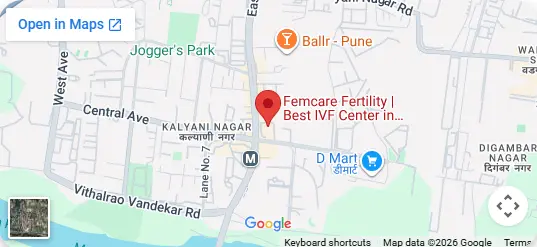
2nd Floor, Avenue Imperia, Baner Gaon, Pune, Maharashtra 411045
Call :+91 88550 33028
Office 102, 1st Floor, Suman Business Park, Kalyani Nagar, Pune, Maharashtra 411014
Call :+91 99670 50566
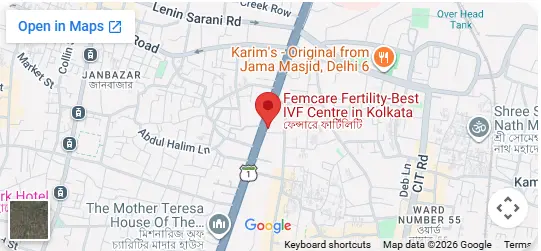
1st Floor, 162B, Acharya Jagdish Chandra Bose Rd, Entally, Kolkata, West Bengal 700014
Call :+91 84840 69668