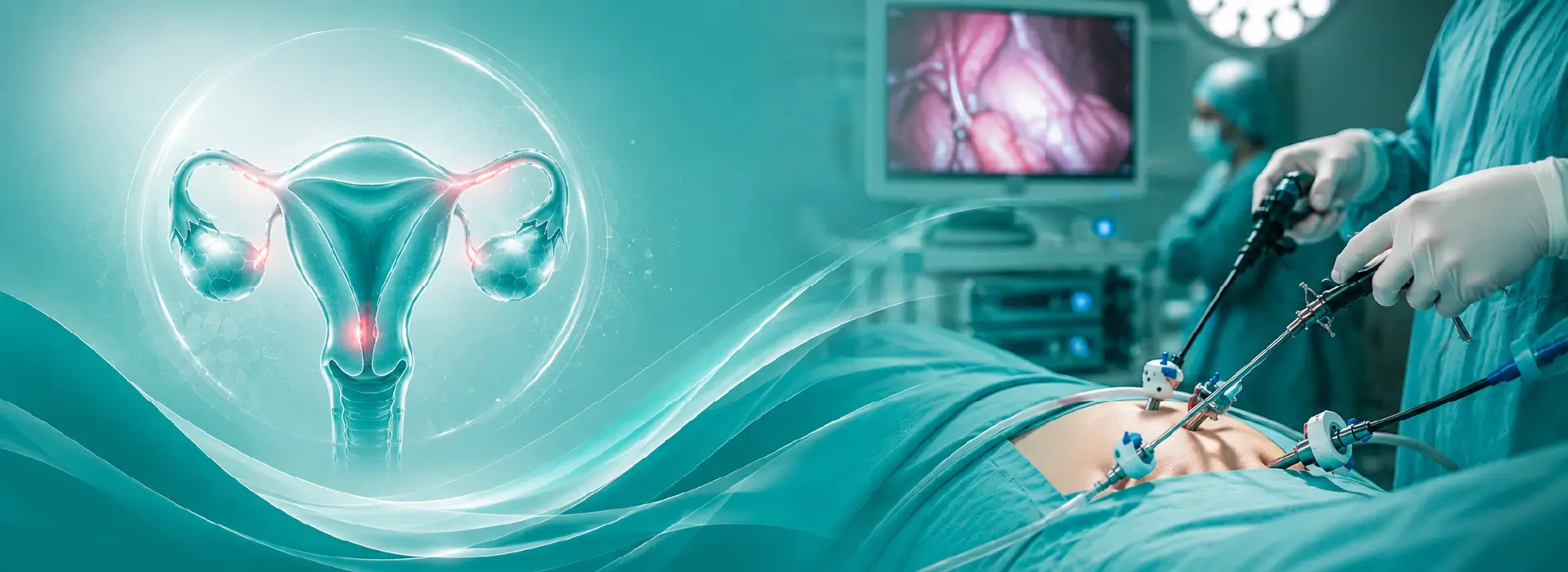
Seeking expert reproductive surgery to address fertility-related concerns? Infertility can sometimes be caused by structural abnormalities within the reproductive system that prevent natural conception. At Femcare Fertility, our expert fertility specialists use advanced endoscopic techniques to improve fertility outcomes and help couples move closer to achieving their dream of parenthood.

Medical Director, Fertility Endoscopic expert | IVF specialist | Reproductive Medicine Expert
12+ years of experience
Consultation Area: Pune

Chief Fertility Consultant and Female endoscopic consultant | Fertility Endoscopic specialist | Fertility Expert
13+ years experience
Consultation Area: Pune

Chief Embryologist
12+ years experience in reproductive medicine and advance ART technologies PhD in Genetics of Male Infertility
Consultation Area: Pune

Male Infertility Specialist | Fertility Endoscopic Expert
12+ years of experience
Consultation Area: Kolkata

Senior Specialist Embryologist
25+ years embryology expertise
Certified PGT specialist (IGENOMIX)
Consultation Area: Kolkata
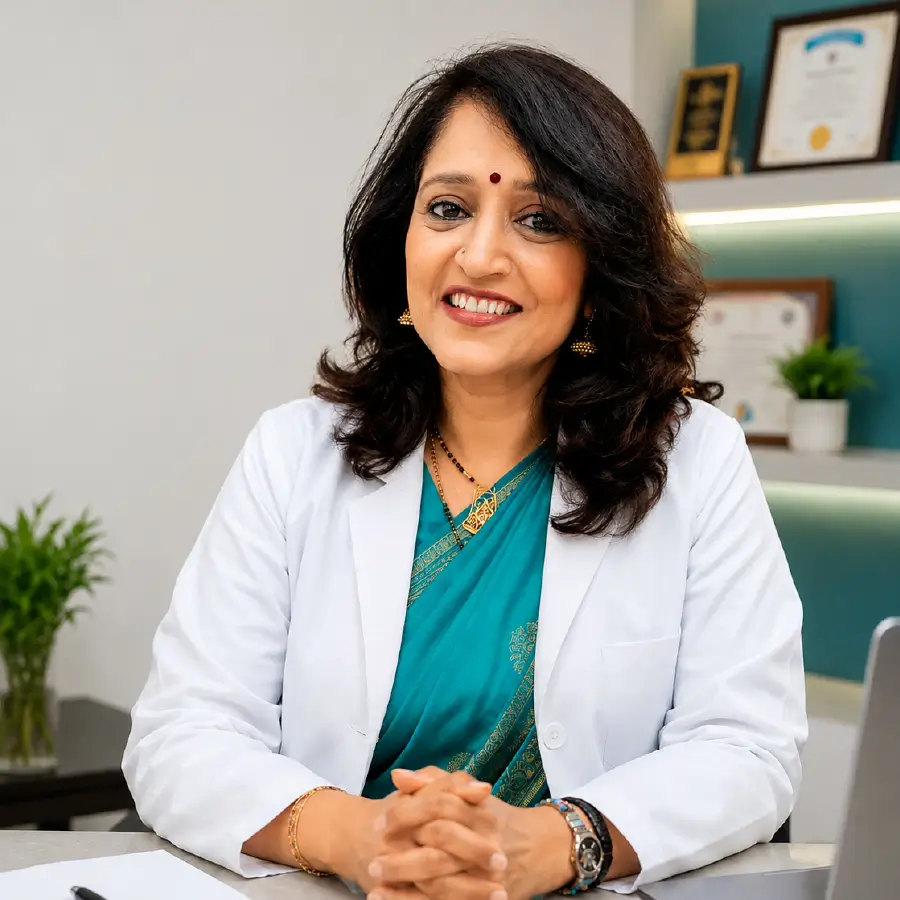
Infertility Specialist & Female Fertility Expert MBBS, M.R.C.O.G (UK), Diploma in Psychological Counsiling, Fellowship in Reproductive Medicine, F.R.C.O.G (UK)
30+ years of experience
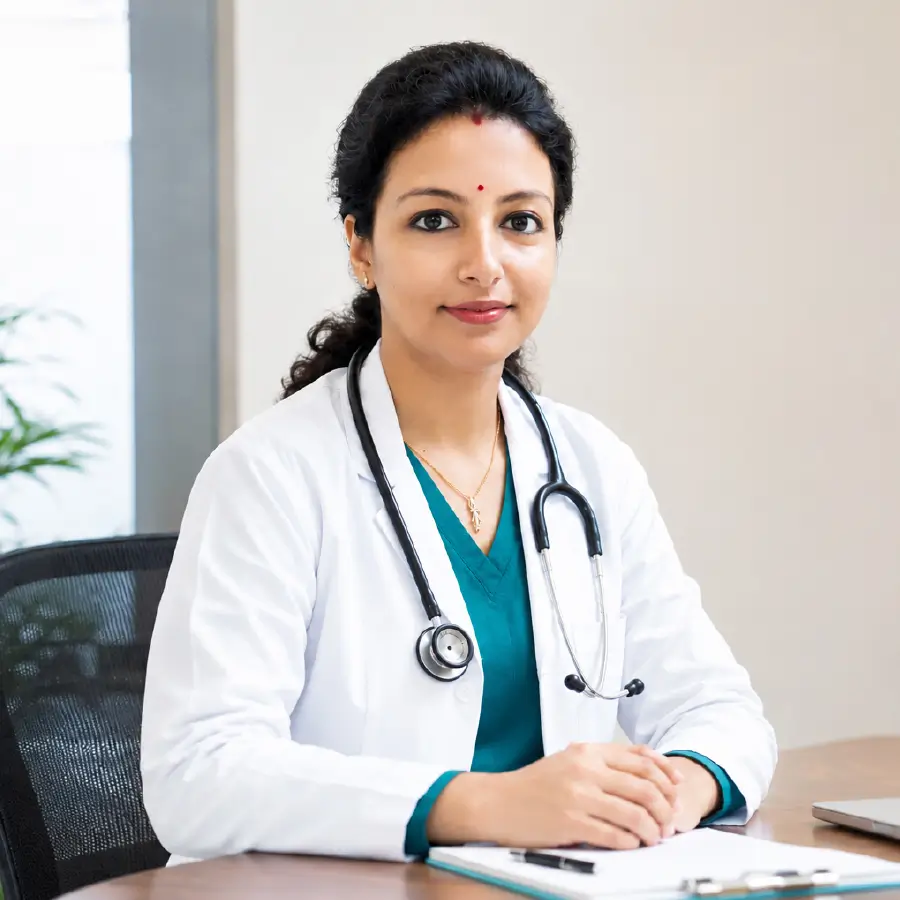
Infertility Specialist, MS, DNB, FRM, FMAS (Fellowship in Minimal Access Surgery), DMAS (Diploma in Minimal Access Surgery
14+ years of experience
Consultation Area: Kolkata
Our priority at Femcare Fertility Baner is to diagnose the root cause and treat it with state-of-the-art diagnostic and surgical skills to overcome infertility. From endometriosis to fibroids and tubal disorders, our team can provide you with evidence-based fertility treatments to enhance your reproductive health and promote successful conception.
To book an appointment in Pune, Call : +91-9967050566
At the Kalyani Nagar centre, patients receive precise and accurate reproductive care to aid them in overcoming issues related to fertility. Whether it's fertility-enhancing endoscopic surgeries or complete treatment planning, the clinic delivers a streamlined experience, combining medical excellence with innovation and a commitment to patient well-being, while ensuring the path to parenthood remains supported.
To book an appointment in Pune, Call : +91-9967050566
As a dedicated fertility clinic, Femcare Fertility, Entally offers excellent treatment in the field of reproduction. The clinic's emphasis on minimally invasive treatments and fertility preservation, along with its commitment to patient comfort, reproductive well-being, and future family-building plans, makes it an ideal choice for those with complex fertility issues.
To book an appointment in Kolkata, Call : +91-8484069668
“This is the best fertility clinic. The staff here is very supportive. The doctor has a positive aura and her protocols are upto the mark. Doctor has guided me with best treatment methods and hope to get positive results. Highly recommended for every woman going through hard times.”
“Doctor pallavi tiple is extremely friendly, approachable and ensures she answers all you questions. We were very apprehensive when we we visited her for the first time as we did not have a very pleasant experience with the previous gynaecologist we consulted we had 3 ivf failed with Previous Doctor”
“Dr pallavi positive approach and the clarity she provided of the process helped us conceive at the first attempt and we have thoroughly enjoyed the journey from then. ”
Fertility-enhancing endoscopic surgeries are minimally invasive surgeries to diagnose and treat conditions that may impact fertility. These are special techniques that use specialised instruments and cameras that are inserted through small incisions or natural body openings to visualise and correct abnormalities of the reproductive system. This reproductive surgery is done to increase the likelihood of conception by restoring normal reproductive function, but with minimal damage to tissue and recovery.
Some common fertility problems that can be treated with endoscopy are:
Fertility-enhancing endoscopic surgery is suggested for those who have a structural or anatomical condition that impacts fertility. These relatively simple treatments can aid in the diagnosis and treatment of the underlying cause of an inability to conceive, thus increasing the opportunity for a successful pregnancy.
Fertility enhancing endoscopic surgery might be suitable for you if you:
The blocked or damaged fallopian tubes may hinder the egg and sperm from uniting on their own. A procedure called fertility surgery may be possible to restore tubal function and increase the likelihood of getting pregnant.
Endometriosis may lead to inflammation, scar tissue, and adhesion, which can affect fertility. Endometriosis lesions can be removed through reproductive surgery, which can improve reproductive health.
Polyps and fibroids in the uterus can interfere with implantation or pose a risk for miscarriage. Fertility preserving surgery may be performed to remove these growths without compromising a woman's fertility or ability to have children.
Previous surgeries, infections and endometriosis can cause scar tissue to distort reproductive organs and impact fertility. Adhesions can be safely removed, and normal pelvic anatomy can be restored at the time of endoscopic surgery.
Some ovarian cysts may affect ovulation and fertility. Fertility sparing surgery helps in the removal of problematic cysts while maintaining healthy ovarian tissue.
A uterine septum may be a cause of recurrent pregnancy loss and/or infertility. If surgery is performed to correct the problem, pregnancy may be more likely to succeed.
If a cause can't be determined by fertility diagnosis testing, an endoscopic procedure like laparoscopy or hysteroscopy may be used to identify hidden reproductive problems that could be impacting fertility.
Uterine abnormalities or other treatable reproductive abnormalities may cause repeated pregnancy loss at times. Surgical correction may result in a healthier environment for pregnancy.
If the pain in the pelvis persists, it could be a result of endometriosis, adhesions or ovarian cysts, which can impact fertility. Fertility and symptomatic benefits may be achieved in endoscopic surgery.
The specialist examines your medical background, fertility problems, the treatment you have had in the past and your reproductive aspirations.
Investigations may include:
Your condition and your goal for fertility are used to create a surgical treatment plan for you.
Medications, fasting and pre-operative tests are explained.
The surgeon carries out the appropriate fertility surgery with minimally invasive methods. Procedures may include:
Patients are closely monitored after surgery and discharged according to recovery progress.
The specialist will recommend the timing for natural conception and/or fertility options like IUI or IVF.
The time period for Fertility Enhancing Endoscopic Surgeries depends on the condition being treated and the reproductive health of the patient. Most patients can expect the trip to go through the following phases, however:
Your fertility specialist will examine your medical history, fertility issues, past treatment, and your goals for fertility. A physical exam and preliminary investigations might also be suggested to determine the cause of infertility.
The following tests might be used to check your health related to reproduction:
Once the diagnosis is confirmed, your specialist will develop a treatment plan tailored to you. This is the choice of the most suitable fertility-preserving surgery or reproductive surgery, depending on the condition and fertility objective. The surgery is usually done under general anaesthetic as a daytime or short stay procedure. The surgeon may use the following procedures, depending on the condition being treated:
Laparoscopic treatment of endometriosis
Recovering is usually quicker than normal open surgery. Patients may have:
A follow up appointment will follow to check healing and see how the procedure has worked. Your specialist may conduct imaging tests or exams to make sure the reproductive organs are regenerating correctly.
After recovery, your fertility specialist will recommend the time to start attempting to conceive naturally or to resume the IVF or IUI treatment. This will depend on the specific type of fertility saving surgery you have had, and your remaining reproductive health.
Surgery has helped many patients to conceive after their surgery. Conception can happen naturally in a few months or with the help of fertility treatments, depending on the age, fertility status and general health of the couple.
The price of endoscopically performed fertility enhancing surgery is from ₹20,000 to ₹2,00,000 depending on the complexity of the surgery.
These procedures aim to fix the anatomical abnormalities that may be causing the inability to conceive, including endometriosis, fibroids, blocked fallopian tubes, uterine abnormalities and pelvic adhesions.
Women less than 30 years old typically have the best success rates after fertility surgery, as the quality of their eggs and the number in the built-up ovary are typically the highest. Fertility rates after surgery are in the range of 75% to 85%, depending on the original condition that is treated.
In this age group, patients will frequently have good results following fertility preservation surgery. The rate of success is usually between 70% and 80%, especially if surgery is done before fertility loss is severe.
During these years, fertility begins to diminish, but many times, correcting reproductive abnormalities will greatly enhance the chances of pregnancy. The success rates are usually 60-75%.
Fertility surgery can help women in this age group, particularly when used in conjunction with other fertility treatments like IVF. Rates of pregnancy usually vary from 50% to 65% depending on the ovarian reserve and reproductive health of the patient.
Fertility declines more quickly with age after 40 years, but fertility-enhancing endoscopy may help restore fertility by resolving structural problems. The success rate is typically between 30% and 50% and may vary from person to person based on a variety of fertility factors and other fertility treatment options.
Fertility surgery success rates are influenced by a variety of factors such as:
Endoscopic fertility enhancing surgeries can correct structural abnormalities in the reproductive system that may be causing an inability to conceive. These treatments can help clear away blocked fallopian tubes, endometriosis, uterine fibroids and polyps in addition to adhesions in the pelvis, all of which can have a positive impact on the natural pregnancy or successful fertility treatment outcome.
Whilst conventional open surgery requires a large incision, endoscopic surgery is done with a small hole and special instruments and a camera. This is a minimally invasive treatment which causes less tissue damage, less pain, and little scarring, and has a better recovery for patients.
Some reproductive issues can have a detrimental effect on embryo implantation and IVF pregnancy rates. Corrective fertility surgery can help to make the uterus and reproductive organs better and to have a better chance at IVF and better chances at a successful IVF.
Laparoscopic and hysteroscopic techniques are advanced methods that do not intend to cause excessive damage to the surrounding tissues. This helps minimise the likelihood of scar tissue forming after surgery and helps maintain the normal structure and function of the reproductive organs.
Fertility-preserving surgery has the benefit of trying to preserve healthy tissues of the reproductive system while treating the disease. The purpose is to preserve ovarian function, uterine health and reproductive potential, enabling a woman to consider pregnancy in the future.
The procedures are much less invasive, with smaller incisions and less damage to surrounding tissues, so recovery is typically much quicker than with traditional surgery. Patients can return to their regular activities within a few days to weeks after surgery, depending on the complexity of the procedure.
Fertility enhancing endoscopy treatments not only enhance fertility, but can also reduce the underlying causes of several fertility problems. These treatments can be used to alleviate symptoms, correct anatomical abnormalities and restore normal reproductive function in women with endometriosis, fibroids, ovarian cysts and other conditions.
Chronic pelvic pain may be due to various conditions related to fertility, including pelvic adhesions and endometriosis. These symptoms can be relieved by endoscopic surgery which will enhance fertility and quality of life.
It is generally safe but may have the following risks:
Post surgery, patients can expect to experience:
To obtain the best benefit from the fertility improving endoscopic surgery:
When you should seek expert advice is:
Intrauterine Insemination (IUI) is a relatively simple and non-invasive fertility treatment. This technique involves injecting the specially prepared sperm directly into the uterus at the time of ovulation, which improves the percentage of fertilisation. IUI may be recommended in cases of mild male factor infertility, unexplained infertility, ovulation disorders or cervical-related fertility problems.
Click here to know more about IUI treatment
Assisted Reproductive Technology (ART) for fertilisation is one of the most successful infertility treatments, In Vitro Fertilisation (IVF). In IVF, eggs are retrieved from the ovaries and the sperm is added to them in a special laboratory. The created embryo is then placed in the uterus for pregnancy to occur. Couples with blocked fallopian tubes, severe endometriosis, unexplained infertility, and other complex fertility issues are often recommended to try IVF.
Click here to know more about IVF treatment
Intracytoplasmic Sperm Injection (ICSI) is an advanced IVF technique adopted for treating male infertility factors as the first choice. In the process, one healthy sperm is delicately transferred directly into a mature egg to facilitate fertilisation. ICSI is especially recommended for couples who has low sperm count, poor sperm movement, or irregular sperm.
Click here to know more about ICSI
Fertility preservation is maintaining potential future fertility using processes like the freezing of eggs, freezing of embryos and freezing of sperm. They are generally recommended for people who may want to postpone parenthood or those who are taking medical procedures that could have an impact on fertility. Fertility preservation allows patients to safeguard their chances of having biological children in the future.
Hysteroscopy is a very small scope procedure that is used to view and treat problems within the uterus. A hysteroscope is a very thin instrument that has a camera in it, and the specialist uses it to see the inside of the uterus through the cervix to diagnose and correct abnormalities such as uterine polyps, fibroids, uterine adhesions, or a uterine septum.
Laparoscopy is a high-tech diagnostic and operative technique that can help with the evaluation and treatment of conditions related to fertility involving the pelvic and reproductive organs. The surgeon can be able to detect and treat problems like fibroids, ovarian cysts, pelvic adhesions, blocked fallopian tubes and endometriosis through the small incisions in the abdomen.
We have many years of experience in reproductive surgery and minimally invasive fertility procedures.
Utilize modern laparoscopic and hysteroscopic equipment to do precise treatments.
Each patient's treatment is tailored to his or her specific fertility requirements.
Our evidence-based way of working helps to achieve very good treatment results consistently.
It is one place to get all your services, from the diagnosis to advanced fertility services.
We're there with you emotionally and informatively throughout the fertility journey.
By addressing issues such as blocked fallopian tubes, endometriosis, uterine abnormalities, fibroids, and adhesions through minimally invasive techniques, we help improve reproductive health and enhance the chances of a natural pregnancy.
Fertility-enhancing endoscopic surgery is advised for those who have been affected by structural issues in the reproductive system that are affecting their fertility. Many fibroids and uterine abnormalities, endometriosis, blocked fallopian tubes, and pelvic adhesions can be treated with these minimally invasive procedures.
Typically, the entire treatment course takes a few weeks, from consultation to diagnostic tests to surgery, recovery, and follow-up visits. The surgical procedure usually lasts for 30 minutes to 2 hours, depending on the complexity of the condition being treated.
Fertility surgery can be successful in many ways, such as the age, ovarian reserve, and the type of fertility problem. The severity of the condition, for example, endometriosis, fibroids or tubal damage, may also affect the results of treatment.
Your treatment and the nature of your fertility problem will affect the cost. The total cost may also be influenced by factors like the facilities available at the hospital, the surgeon's experience, the cost of anaesthesia, and the diagnostic tests performed.
Fertility enhancing endoscopic Surgery is a safe and effective treatment, provided it is performed by experienced fertility specialists. Laparoscopic and hysteroscopic procedures are modern methods that reduce the risk of surgical procedures and cause a quick recovery.
It is done under anaesthetic, meaning the patient is not in pain during surgery. During recovery, there is some discomfort, bloating or abdominal soreness, but this is generally controlled with medication prescribed by the doctor.
In the majority of cases, only one surgery will be needed to fix the fertility issue. Depending on the severity of the condition and the patient's response to treatment, additional procedures may be required.
For optimal healing, patients should adhere to all post-operative recommendations made by their fertility practitioner. Avoiding heavy exercise, taking medications as prescribed and following follow-up appointments are important. Good eating habits and a healthy lifestyle also help improve fertility and health.
This is used frequently when there are anatomical factors that are blocking natural pregnancy or fertility treatments from being successful. Surgical correction may be necessary before IUI or IVF for conditions like fibroids, endometriosis, uterine abnormalities, and blocked fallopian tubes.
If you've tried to become pregnant over time and you have not been successful, especially if you are over 35 years old, then you should see a fertility specialist for guidance. Patients with recurrent miscarriages, chronic pelvic pain or with a known reproductive disorder may also benefit from evaluation.
Fill in the details below to get a callback instantly
2nd Floor, Avenue Imperia, Baner Gaon, Pune, Maharashtra 411045
Call :+91 88550 33028
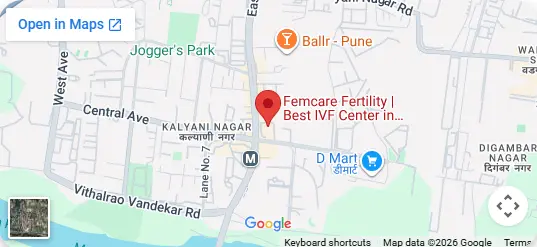
Office 102, 1st Floor, Suman Business Park, Kalyani Nagar, Pune, Maharashtra 411014
Call :+91 99670 50566
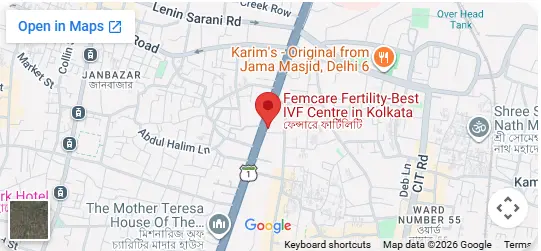
1st Floor, 162B, Acharya Jagdish Chandra Bose Rd, Entally, Kolkata, West Bengal 700014
Call :+91 84840 69668