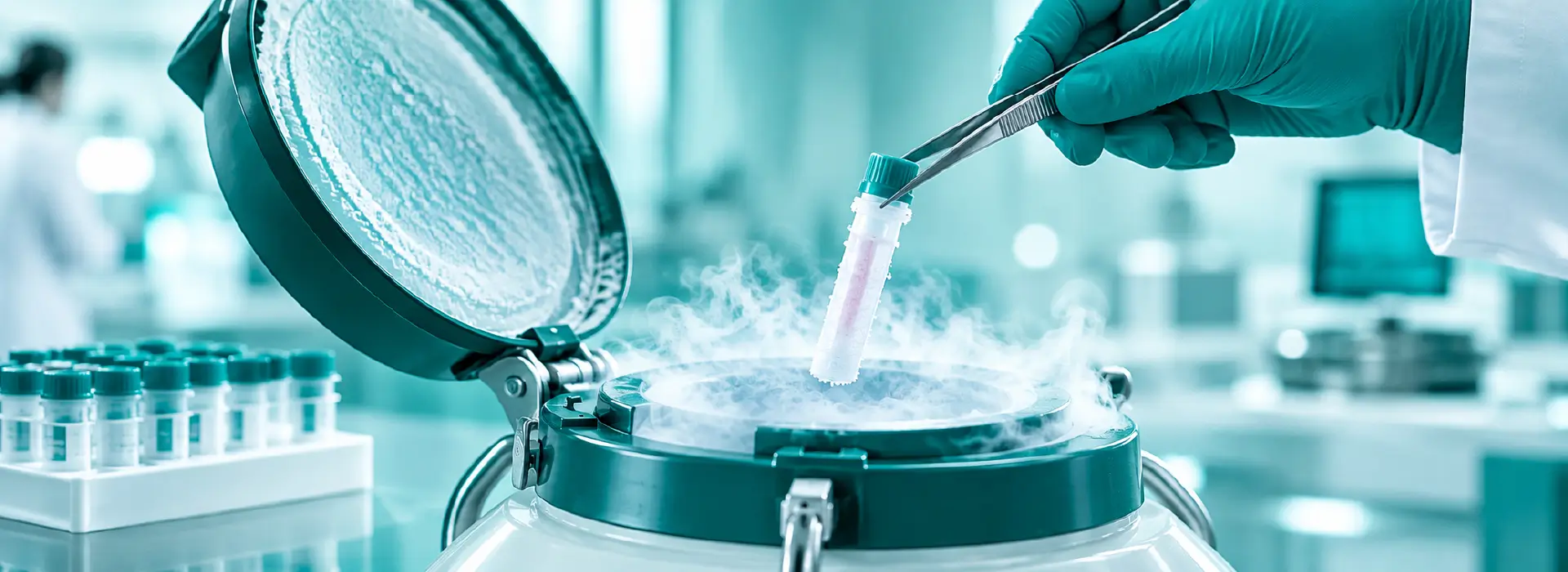
Planning for preserving your fertility? With the advent of modern reproductive medicine, cryopreservation has become a dependable means of protecting your potential for reproduction. Freezing and storing eggs, sperm, or embryos provide you with choices for future family planning. At Femcare Fertility, we use cutting-edge vitrification technology and cryopreservation facilities to ensure the highest survival rate of cells and increase your chances of obtaining good results.
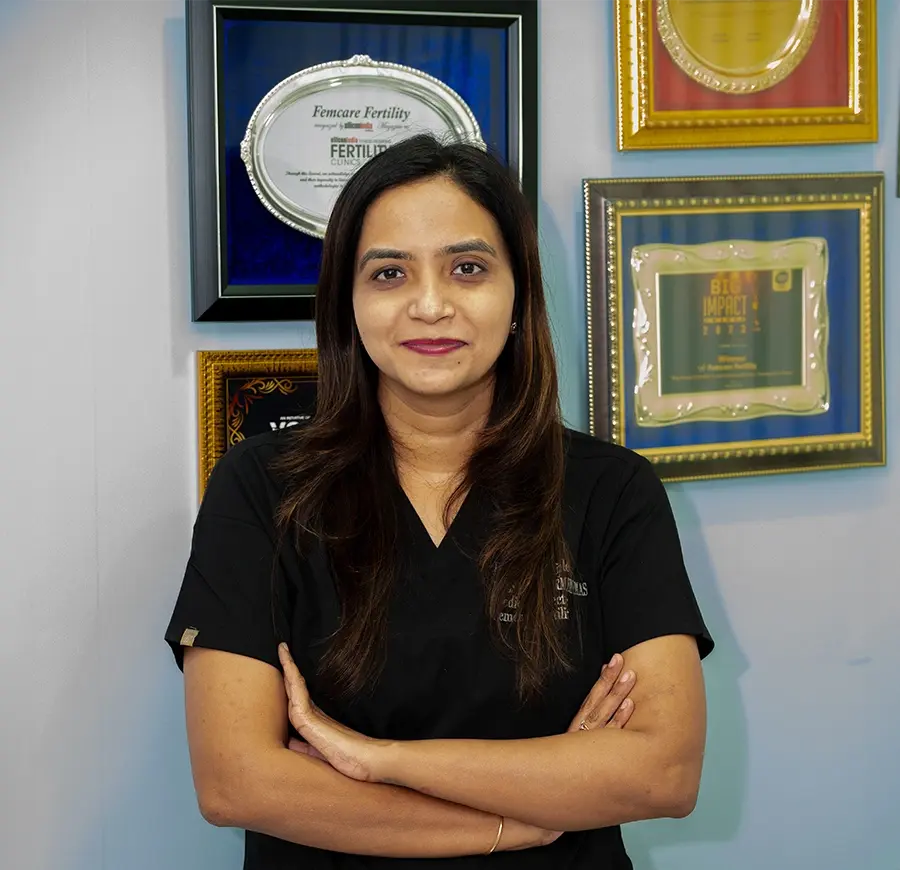
Medical Director, MD, DGO, FRM, MBBS In vitro fertilization Specialist & Gynecologist
12+ years of experience
Consultation Area: Pune

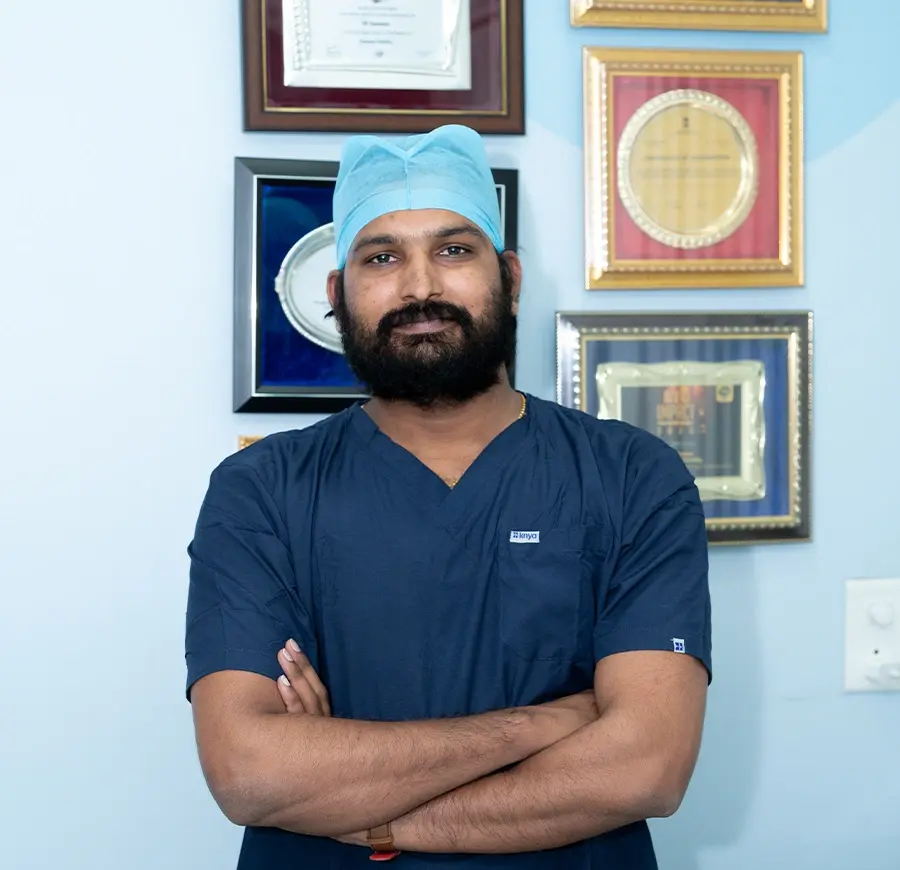
Chief Fertility Consultant and Clinical Head
IVF Specialist, endoscopic surgery, immunology & regenerative therapies
13+ years experience
Consultation Area: Pune
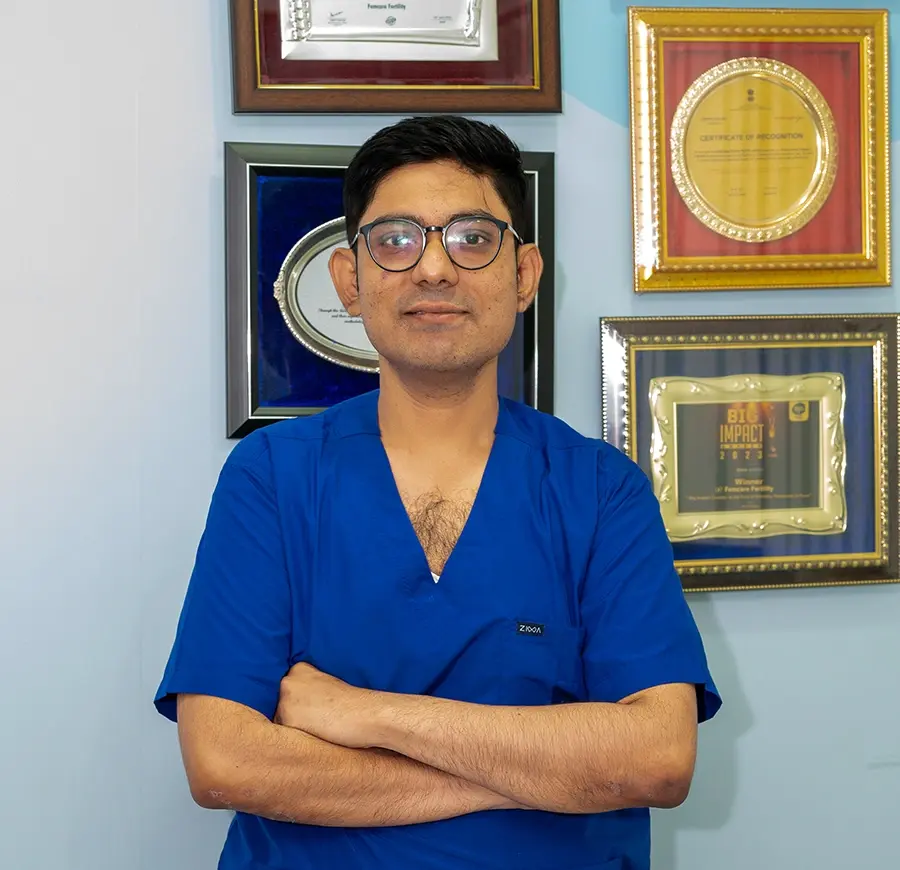
Chief Embryologist
12+ years experience in reproductive medicine and advance ART technologies PhD in Genetics of Male Infertility
Consultation Area: Pune
Infertility Specialist, MBBS(Gold Medalist), MS, MCh (Reproductive Medicine)
12+ years of experience
Consultation Area: Kolkata
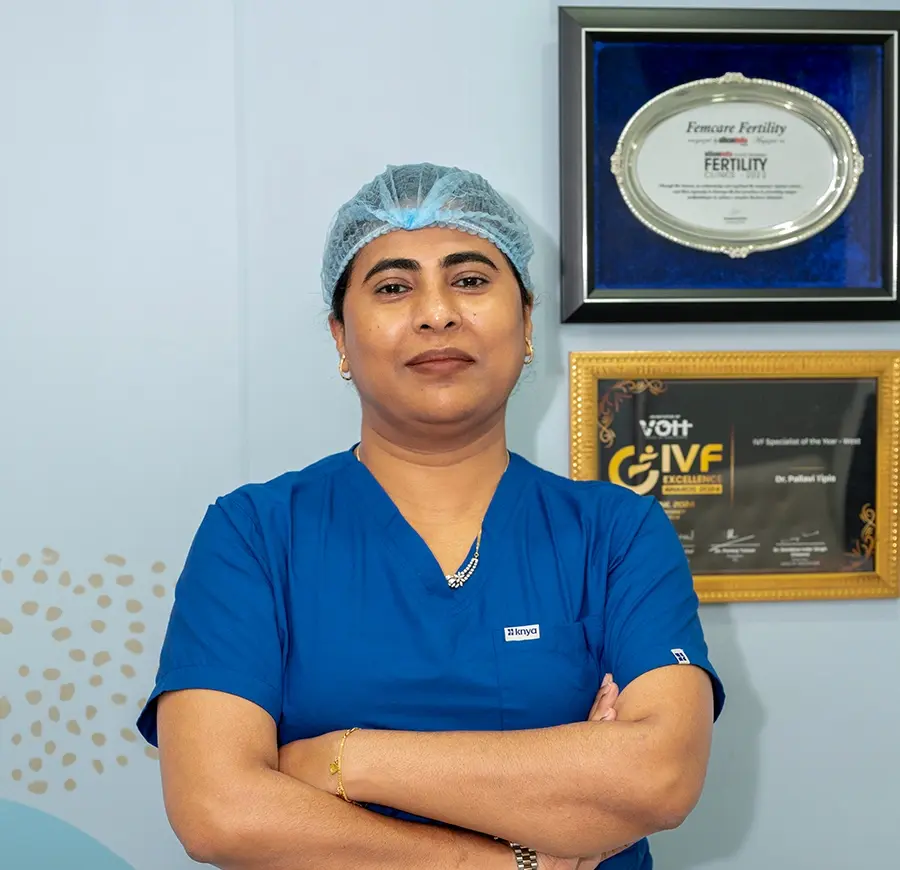
Senior Specialist Embryologist
25+ years embryology expertise
Certified PGT specialist (IGENOMIX)
Consultation Area: Kolkata

Infertility Specialist & Female Fertility Expert MBBS, M.R.C.O.G (UK), Diploma in Psychological Counsiling, Fellowship in Reproductive Medicine, F.R.C.O.G (UK)
30+ years of experience

Infertility Specialist, MS, DNB, FRM, FMAS (Fellowship in Minimal Access Surgery), DMAS (Diploma in Minimal Access Surgery
14+ years of experience
Consultation Area: Kolkata
Femcare Fertility Baner is equipped with advanced fertility preservation facilities, including modern embryology laboratories and secure cryostorage systems. Our experienced specialists provide personalised cryopreservation solutions for eggs, sperm, and embryos, helping individuals and couples preserve their fertility with confidence and peace of mind.
To book an appointment in Pune, Call : +91-9967050566
Located in the heart of Pune, Femcare Fertility Kalyani Nagar offers comprehensive fertility preservation services using advanced vitrification technology. From initial consultation to long-term storage, our fertility experts provide personalised guidance and utilise advanced vitrification methods to help protect your reproductive potential for the future.
To book an appointment in Pune, Call : +91-9967050566
Femcare Fertility Entally combines cutting-edge reproductive technology with compassionate patient care. Our state-of-the-art facility provides egg, sperm, and embryo cryopreservation services tailored to individual fertility goals. We are committed to helping patients protect their reproductive potential and achieve their future parenthood dreams.
To book an appointment in Kolkata, Call : +91-8484069668
“I had a wonderful experience at Femcare Fertility Hospital. Dr. Pallavi Mam is too good, very positive in nature, and she made us feel positive and confident from the first consultation to throughout the process.”
“The team at Femcare is professional, compassionate, and truly dedicated to helping their patients. I highly recommend them for anyone seeking fertility treatment.”
“My experience with Femcare fertility was very good. Dr. Pallavi has a positive and supportive approach. The treatment was effective, and the staff were professional and helpful.”
Cryopreservation is the process of safely freezing eggs, sperm, embryos or reproductive tissues to preserve your reproductive potential. These cells are kept in special cool storage facilities at very low temperatures, ensuring their safety and viability, which allows you to more flexibly plan your future family. At such low temperatures, biological activity is halted, and so the reproductive cells can exist for many years without deteriorating. Cryopreservation is now an indispensable part of modern fertility treatment. It gives people and couples the option to save their fertility for the time that suits them best and allows them to choose the timing of parenthood.
Cryopreservation can benefit a wide range of individuals and couples.
Fertility preservation is often done for women who have a career, are in school, have financial plans, or are in a difficult situation in their lives. Eggs may be frozen at an earlier age to maintain good reproductive potential.
Some chemotherapy drugs, radiation and some surgeries may impact your fertility. Cryopreservation before treatment provides a chance to create future biological children.
By cryopreserving embryos, if the couple has created more than they used, their embryos can be stored for future IVF cycles, eliminating the need to stimulate the ovary again.
Men who have poor sperm function, men receiving medical therapies and men with a vasectomy should consider sperm cryopreservation.
There are some autoimmune diseases, genetic abnormalities, and other reproductive diseases that may impact future fertility and could be worth considering for preservation.
People who have been exposed to high-risk environments may opt for fertility preservation as a precaution.
The process starts with a thorough consultation and fertility test. Your fertility specialist will analyse your medical history, your plans for fertility and your current fertility status.
Tests may include:
Depending on your situation, the specialist suggests the best course of action:
With ovarian stimulation, the collection of eggs for women is a simple procedure. When necessary, sperm samples are collected from men via ejaculation or by a special sperm retrieval procedure.
Samples are carefully analysed and prepared in an embryology laboratory dedicated to such work. Cryoprotectant agents are used to prepare cells that inhibit ice crystal formation, and embryologists choose the healthiest cells.
The most widely used method of modern cryopreservation is a fast freezing process known as vitrification. Vitrification is a novel slow freezing technique that does not allow the formation of ice crystals and greatly enhances viability after thawing.
The frozen eggs, sperm or embryos are kept in safe liquid nitrogen containers with rigorous quality assurance measures. These samples can be preserved for long periods of time and still be viable.
Once you are ready for conception, the preserved sample is gently thawed and is used in fertility treatments like:
The timeline varies depending on the type of cryopreservation chosen.
The cost of sperm cryopreservation ranges from ₹10,000 to ₹30,000, and for the embryo, it is from ₹30,000 to ₹80,000. The egg cryopreservation cost is usually higher, as it takes a lot of effort to stimulate the ovary and retrieve the eggs, with the expenses ranging from ₹80,000 to ₹2,50,000. There are generally extra charges of ₹10,000 to ₹50,000 per annum for additional storage space.
The final cryopreservation cost might be influenced by several factors, such as:
Successful cryopreservation is highly dependent upon the age of eggs, sperm or embryos.
For those who want to freeze their eggs and conceive when they are ready, there are many advantages to it. Cryopreservation is a dependable option for protecting one's reproductive potential, whether it is for facing medical conditions, goals or preparing for fertility treatment.
An advantage of the cryopreservation process is that healthy eggs, sperm or embryos can be saved before they lose their fertility due to natural ageing. This is so that people can continue to have the possibility of having children in the future, even if they don't want to have children at this time.
Cryopreservation allows individuals and couples to have more control over their reproductive options. You can delay the ageing of your reproductive cells to make your career, education or finances your priority, or pursue your personal milestones without the pressure of biological timing.
Chemotherapy, radiation and some surgical cancer treatments may hurt fertility. Cryopreservation allows patients to freeze their eggs, sperm or embryos before treatment, allowing them to create a family after recovery.
Surplus healthy embryos can be frozen for future use, and embryo cryopreservation can be used to enhance IVF treatment. This decreases the need for repeated ovarian stimulation and egg retrieval, as well as the chances of pregnancy in subsequent IVF cycles.
Emotional issues surrounding fertility can be difficult to deal with. Knowing that your eggs, sperm or embryo has been safely preserved can give you reassurance and peace of mind and help you make decisions for the future family you may have in mind.
Nowadays, reproductive cells and embryos can be safely stored for several years without losing much quality by using modern cryopreservation technology. It's a long-term preservation that allows flexibility and convenience for future fertility planning.
Cryopreservation is regarded as a safe and well-developed method of preserving fertility. But, as with any medical treatment, there are some risks and limitations associated with cryopreservation, depending on the type of treatment used.
Egg or embryo cryopreservation may cause some bloating, cramping or slight discomfort in the area known as the pelvis after the procedure. Typically, symptoms improve within a few days.
Ovarian stimulation is necessary for Egg Cryopreservation and/or Embryo Cryopreservation. Some women may experience temporary side effects such as headaches, mood changes, breast tenderness, nausea, or abdominal bloating due to fertility medications.
Very rarely, women can get a condition called OHSS that is caused by the ovaries responding too strongly to the stimulating medications. With careful review from the fertility specialist, this risk can be minimised.
With modern vitrification methods, high survival rates are possible; however, there is a small risk that not all of the eggs, sperm or embryos may survive after thawing.
Cryopreservation does not ensure the ability to conceive, but helps retain fertility potential. Success is dependent on many factors, including age at time of preservation, reproductive cell quality, general health, and the fertility treatment employed following thaw.
Special facilities and continuous monitoring are required for long-term storage. This is because, if you select a quality fertility clinic, you can be sure that the reproductive cells and embryos are preserved safely and properly.
Most of the patients can resume their normal daily routine as soon as after cryopreservation. What you can expect:
While cryopreservation is a highly effective fertility preservation technique, certain factors can help optimise outcomes, improve the survival of frozen reproductive cells, and increase the chances of a successful future pregnancy.
Seeing a fertility specialist at an early stage can help you make informed decisions regarding the preservation of your fertility. A fertility consultation can assist in deciding if you should consider cryopreservation if you are thinking about delaying parenthood, are undergoing cancer treatment, have fertility issues, or are preparing for IVF treatment.
If you are thinking of talking to a fertility specialist, you should consider it if:
Cryopreservation can also be combined with other fertility treatments to enhance reproductive outcomes and offer more flexibility in family planning.
ICSI is a higher form of fertility treatment where a single sperm is directly injected into the egg to ensure fertilisation. Sperm and eggs can be frozen and then thawed and used in the ICSI procedure.
Click here to know more about ICSI treatment
In IVF, eggs are fertilised by sperm in a special laboratory. During the IVF procedure, the cryopreserved eggs, sperm, or embryos may be used to boost flexibility and enhance the chances of successful conception in the future.
Click here to know more about IVF treatment
Egg freezing is an advanced type of cryopreservation that enables women to freeze their eggs for use in the future for pregnancy.
Click here to know more about Egg Freezing
Donor egg IVF, for women who have failed to conceive when they use their own eggs for IVF treatment, frozen donor eggs can be used.
Click here to know more about Donor Egg IVF
Modern vitrification methods are used to maximise the survival and viability of frozen eggs, sperm and embryos.
We have a wide range of fertility specialists, with a long history of experience in fertility preservation and assisted reproductive technologies.
We have high-tech laboratory equipment with strict quality control for safe and secure cryostorage.
Each individual patient receives an individualised treatment plan, depending on their goals of reproduction, their age and their medical history.
We have clear information about treatment costs, storage fees and future fertility options.
We provide full reproductive care all in one place, including fertility assessment, cryopreservation, IVF procedures and embryo transfer.
We are here to guide and support you through all aspects of your fertility preservation journey.
Planning for parenthood later in life? Femcare Fertility helps you preserve your fertility today through advanced cryopreservation technology, secure storage, and personalised fertility care, giving you greater confidence for the future.
Cryopreservation can be done for people who want to preserve their fertility for later in life. It is often recommended for those who have not yet had children, cancer patients receiving treatment that could affect their fertility, IVF patients, and individuals with medical conditions that might affect their fertility in their future years.
The time varies, depending on the type of cryopreservation. The process of sperm cryopreservation may take just one day, while egg or embryo cryopreservation typically takes about 2-3 weeks, as the eggs are stimulated using oophoregon and numerous monitoring appointments are required, and the eggs are retrieved prior to the freezing process.
The extent of cryopreservation success depends on a number of factors, such as the patient's age, egg or sperm quality, embryo quality, general reproductive health, laboratory quality and the type of vitrification used. Proper long-term success also depends on the skills of the embryology team and good storage practices.
The egg cryopreservation cost depends on the type of fertility material to be frozen, medications needed, lab procedures, length of storage and clinic facilities. Due to the ovarian stimulation, monitoring and egg retrieval procedures involved in egg freezing, the general price of egg freezing is typically greater than sperm or embryo freezing.
Yes, cryopreservation is a safe and common fertility preservation method. Today, the technology of vitrification has greatly enhanced safety and survival rates. If carried out by professional fertility experts and embryologists, there are few risks involved, and fertility can be maintained in the future with great certainty.
Cryopreservation of sperm is painless and only entails sperm sample collection. Egg retrieval is done under sedation or anaesthesia for egg and embryo cryopreservation. There may be some cramping, bloating or discomfort after, but these are typically temporary and manageable.
Many people have their fertility preserved in just one cycle. But those who have poor ovarian reserve or who want to store more eggs may undergo multiple egg retrieval cycles to maximise their future chances for pregnancy and flexibility in reproduction.
Patients should adhere to all of the medical recommendations made by their fertility specialist after cryopreservation. Keeping a healthy lifestyle, attending follow-up appointments, updating contact details and discussing storage renewal plans are all crucial steps to keep the preserved reproductive cells safe and viable.
Cryopreserved eggs are perfect for those who aren't ready to conceive right away, but want to save their eggs for future use. It is especially useful before cancer treatment, loss of fertility with age, serious surgeries, or lifestyle changes that will postpone parenthood for several years.
Ideally, a fertility specialist should be seen as soon as the decision to consider fertility preservation is made. Preserving fertility earlier often results in better outcomes, particularly for people who are facing medical treatments, declining fertility or advanced maternal age or family planning issues.
Fill in the details below to get a callback instantly
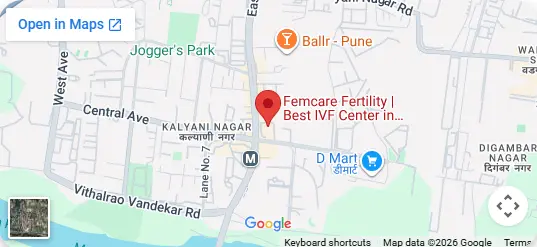
2nd Floor, Avenue Imperia, Baner Gaon, Pune, Maharashtra 411045
Call :+91 88550 33028
Office 102, 1st Floor, Suman Business Park, Kalyani Nagar, Pune, Maharashtra 411014
Call :+91 99670 50566
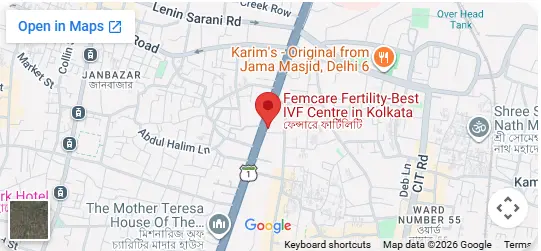
1st Floor, 162B, Acharya Jagdish Chandra Bose Rd, Entally, Kolkata, West Bengal 700014
Call :+91 84840 69668