What is Laparoscopic Myomectomy? Know Procedure, Recovery, Cost, Benefits & What to Expect
Uterine fibroids are one of the most frequent non-cancerous growths seen among women during their reproductive years. According to research, most symptomatic cases are diagnosed in women aged 31–50 years. Although the vast majority of fibroids are asymptomatic, others may result in heavy periods, pelvic pain, pressure on adjacent organs, miscarriage, and fertility problems. Laparoscopic myomectomy is one of the most advanced minimally invasive surgical procedures available for women who want to avoid a hysterectomy, but still get fibroids removed.
If you’ve been diagnosed with uterine fibroids and your doctor has suggested fibroid surgery, you may feel better prepared and more confident if you can learn what laparoscopic myomectomy is, how it works, and what to expect during the recovery process.
This guide provides all the information you need to know about laparoscopic myomectomy meaning, Laparoscopic Myomectomy surgery, procedure, recovery, advantages, risks, cost in India, fertility after Myomectomy surgery, and tips for a smooth recovery.
What is Laparoscopic Myomectomy?
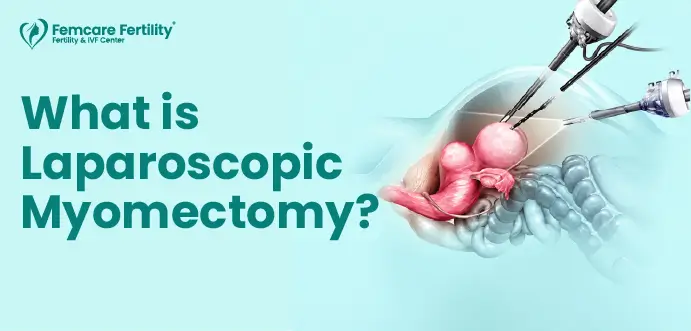
Laparoscopic myomectomy meaning is a minimally invasive surgical procedure carried out to remove fibroids, also referred to as ‘leiomyoma’, without the removal of the uterus. This will leave the uterus intact so the woman can potentially be fertile and have children in the future, unlike a hysterectomy, which removes the uterus altogether. The laparoscopic myomectomy definition is a surgical procedure in which fibroids are removed with the use of special instruments that are inserted through a series of small incisions present in the abdomen. Using a laparoscope (a thin tube equipped with a high-definition camera), the surgeon can see the uterus on a screen, and the doctor can remove the fibroids precisely through one of the openings in the abdomen.
Laparoscopic surgery typically provides greater advantages than traditional open surgery, such as:
- Smaller incisions
- Less blood loss
- Less pain following surgery
- Decreased post-surgical pain
- Shorter hospital stay
- Faster recovery
- Minimal scarring
The surgery is particularly advantageous for women with symptomatic fibroids who do not want to have large abdominal incisions. It is particularly beneficial for women with symptomatic fibroids who do not want large abdominal incisions or would like to keep their uterus for future pregnancy.
Who Needs Laparoscopic Myomectomy?
You may be a suitable candidate for laparoscopic myomectomy if you have:
- Heavy menstrual bleeding: Fibroids causing prolonged or excessive periods that may lead to anaemia and fatigue.
- Pelvic pain or pressure: Persistent discomfort, cramping, or a feeling of heaviness in the lower abdomen.
- Large or multiple fibroids: Fibroids that are growing, causing symptoms, or affecting nearby organs.
- Fertility concerns: Fibroids interfering with conception, embryo implantation, or increasing the risk of miscarriage.
- Bladder or bowel symptoms: Frequent urination, constipation, or difficulty emptying the bladder due to pressure from fibroids.
- Desire to preserve the uterus: Women who wish to retain their uterus for future pregnancy or personal reasons rather than undergo a hysterectomy.
Top Benefits of Laparoscopic Myomectomy for Fibroid Treatment
Laparoscopic myomectomy has many advantages over conventional open surgery.
1. Minimally Invasive Procedure
The laparoscopic myomectomy is an operation done through small incisions in the abdomen, rather than a large incision. This will decrease trauma to surrounding tissues, minimise discomfort, and allow for quicker healing with minimal scarring.
2. Less Post-Operative Pain
The surgery is less disruptive and makes smaller incisions, so most women experience less pain following the surgery. Other than prescribed medication, pain can generally be managed and will improve within several days.
3. Faster Recovery
Laparoscopic myomectomies heal faster than open surgeries. Most women are able to resume light, everyday activities in 1-2 weeks and work much faster.
4. Smaller Scars
This procedure leaves only a small scar on the abdomen. In most cases, these scars will gradually fade and look better cosmetically than the more extended scar on open surgery.
5. Reduced Blood Loss
The advances in laparoscopy have made it easier for the surgeon to remove fibroids more precisely, which reduces blood loss during surgery. In most situations, this reduces the need for a blood transfusion.
6. Reduce the risk of infection
Smaller incisions have less exposure of internal tissues, so there is less chance of a wound infection. The rapid healing process also helps to prevent complications after surgery and ensure a smoother recovery.
7. Shorter Hospital Stay
Laparoscopic myomectomy is performed and the recovery process allows for most women to be discharged within 24-48 hours. Patients can recover comfortably at home earlier, due to a shorter hospital stay.
How to Prepare for Laparoscopic Myomectomy
By understanding the surgical process of laparoscopic myomectomy and what to expect, patients can better prepare for the procedure and minimise stress.
Laparoscopic myomectomy, a surgical procedure, can be safely performed, minimise the risks of surgery, and facilitate a quick recovery if proper preparation is done beforehand. Your healthcare team will give you personalised instructions based on your medical history and depending on the complexity of your surgery.
Now, let’s look at each step and understand how to prepare for laparoscopic myomectomy. Here we go:
Before Surgery Consultations and Tests
Your gynaecologist will discuss your medical history, symptoms, and fertility objectives before surgery. Blood tests, pelvic ultrasound, MRI, ECG and chest X-ray may be requested, and an assessment under anaesthetic may be performed. These tests provide your surgeon with detailed information about the fibroids while assessing your overall health to ensure the procedure can be performed safely.
Medications and Lifestyle changes
Tell your doctor if you are taking any medicines (prescription, nonprescription, vitamins, or herbal) that you bought without a prescription. Blood-thinning medications might need to be discontinued before surgery. Cessation of smoking, reduction of alcohol, physical activity, and control of such factors as diabetes and hypertension can enhance healing and lessen surgical risks.
Nutrition Before Surgery
Your surgeon will give you directions about eating before surgery. It is generally recommended not to eat or drink for several hours before surgery to decrease the chances of problems during anaesthesia. Have a light and nutritious diet for a few days before surgery, drink plenty of fluids, and follow dietary instructions carefully provided by health care staff.
Items to Bring on the day of Surgery
Carry identification (passport, driver’s license), health insurance papers, medical records, prescription medications, comfortable loose-fitting clothing, toiletry bags, sanitary pads, and a mobile phone charger. Have another person in the family or in your life accompany you, as you will not be able to drive yourself home after the procedure.
Complete Guide to the Laparoscopic Myomectomy Procedure – A Step by Step Guide
It is important to know more about the laparoscopic myomectomy procedure to alleviate any anxiety before surgery.
Administration of Anaesthesia
It is performed under general anaesthetic, which means you will be asleep and pain-free during the procedure. Your heart rate, blood pressure, breathing, and oxygen level are monitored at all times by a specialist called an anaesthetist to keep you safe.
Creation of Small Incisions
The surgeon creates 3-4 small incisions in the lower abdomen and introduces the laparoscope (camera) into the area. The abdomen is inflated with carbon dioxide gas to give a clear view for the proper removal of fibroids.
Removal of Fibroids
The surgeon will gently remove the fibroids with the use of special laparoscopic instruments, avoiding the removal of normal uterine tissue. If the fibroids are large, they can be cut into smaller parts inside a small plastic bag and safely removed through the small incisions.
Repair of the Uterus
After removing the fibroids, the uterine muscle is repaired with multiple layers of dissolvable sutures. This won’t hurt the uterus; it will help with healing properly and minimize any complications.
Closing the Incisions
After the procedure is finished, the instruments are taken out and the tiny incisions are closed with stitches, surgical glue, or an adhesive strip. The total laparoscopic myomectomy time depends on the complexity of the case and generally lasts 1.5 to 3 hours.
What Happens Immediately After Laparoscopic Myomectomy?
Immediately after laparoscopic myomectomy, you will be closely monitored as your body recovers from anaesthesia and begins the healing process safely.
Recovery Room Monitoring
Once the surgery is complete, you will be taken to the recovery room where the doctors will track your heart rate, blood pressure, breathing, oxygen levels, and condition. They will make sure that you wake up safely after you have been anaesthetised before taking you to your hospital room.
Pain Management
Some slight discomfort in the abdomen or in the shoulder may be normal after a laparoscopic myomectomy. Your doctor may prescribe pain medicines to keep you comfortable. The majority of women experience the pain decreasing gradually over the first several days after surgery.
Hospital Stay Duration
The recovery is generally from 24 to 48 hours, depending on how well the woman does. You will be encouraged to walk, eat light meals and slowly come back to a normal routine before discharge during this time.
Discharge Instructions
Your care team will give you detailed information about your wound, medicines, diet, activity and follow-up appointments before you leave the hospital. They will also share with them information about the signs of a problem (fever, excessive bleeding, etc.) that may require emergency medical care.
Laparoscopic Myomectomy Recovery Timeline
Recovery after laparoscopic myomectomy is usually faster than open surgery. Understanding each stage of healing helps you recover safely, manage expectations, and gradually return to your normal daily activities.
Now, lets look at the laparoscopic myomectomy recovery, which will help us stay informed:
Recovery During the First Week
You may feel slight pain, tiredness, bloating, and light bleeding in the first week. Rest, use prescribed medication, drink plenty of water, don’t overexert yourself, and don’t lift heavy items.
Recovery During Weeks 2–4
This is when most women start to feel better in their second to fourth week of breastfeeding. Engage in light activities, enjoy a balanced diet, follow up visits, and refrain from heavy exercise until medically advised.
Returning to Work and Daily Activities
For females who work at a desk, it is probable that they can come back to work within 2-4 weeks after recovery. Some jobs involve physical work, and may need extra healing time before returning to normal work.
Resuming Exercise and Physical Activity
After surgery, start walking gently to promote better circulation and decrease the risk of blood clots. After doctor’s approval, more intense activities, such as running, swimming, yoga, and weight training, can resume.
Planning Pregnancy After Surgery
Rest periods of 3-6 months are recommended before trying to conceive, to give the uterus time to heal fully. Your doctor will determine the best time for you.
What to do Before and After Laparoscopic Myomectomy
Knowing the pros and cons of having a laparoscopic myomectomy can help you have realistic expectations for symptom relief and recovery.
While recovery is a process, the majority of women experience a great deal of improvement in their lives after surgery.
Symptoms Before Surgery
Heavy periods, painful periods, bloated abdomen, frequent urination, constipation or a uterus and surrounding pelvic organs affected by fibroids may result in a woman’s fertility issues before surgery.
Enhancements following Fibroid excision surgery
Most women will have lighter periods, less pain in the lower part of the abdomen, less pressure on the bladder or bowel, more energy, and a definite improvement in the quality of their lives following the fibroid removal procedure.
Fertility and Pregnancy Outcomes
Laparoscopic myomectomy can make the uterus normal in shape and thus improve fertility. Many women will have improved chances of natural conception or successful fertility treatment, improved rates of implantation, and lower risk of miscarriage.
Expected Lifestyle Changes
After recovery, many women have more comfort and confidence back in their normal routine. This translates to better well-being, fewer symptoms, more activity and reproductive health, and a better overall quality of life.
Side Effects and Risks of Laparoscopic Myomectomy
As with any surgery, there are some risks and side effects to laparoscopic myomectomy. But it is a safe and effective procedure for uterine fibroids when it’s done by an experienced gynaecologist. Knowing about the side effects of laparoscopic myomectomy and knowing when to seek medical help in the event of any of the side effects occurring can help to ensure a smoother recovery.
Common Side Effects
People usually have light abdominal pain, discomfort in the pelvis, and pain in the shoulder area due to the gas used during the surgery after the myomectomy is performed laparoscopically. Light spotting, fatigue, bloating, and constipation are also normal. These are generally short-lived and resolve within a few days to weeks, depending on the patient’s recovery, following appropriate rest, medication and post-operative management.
Risk and Complication of Surgery
While laparoscopic myomectomy is a safe procedure, there are some potential risks to be considered, such as infection, excessive bleeding, injury to nearby organs, blood clots, internal scar tissue (adhesions) and possibly the recurrence of fibroids. If there are complications, in rare cases the surgeon may make the procedure open.
When to Contact Your Doctor
Immediately contact your doctor if you experience a fever, heavy vaginal bleeding, pain in the abdomen, excessive vomiting, shortness of breath, chest pain, redness or pus at the incision sites, foul-smelling vaginal drainage, or trouble urinating after surgery.
Knowing the side effects of laparoscopic myomectomy will help you stay informed.
What Results to Expect After Laparoscopic Myomectomy?
The purpose of laparoscopic myomectomy surgery is to remove fibroids without removal of the uterus. The symptoms improve dramatically in most women in a few weeks to months after surgery.
Relief from Symptoms
Laparoscopic myomectomy is associated with great relief of the symptoms of fibroids in most women. The heavy bleeding, pain, pressure, urgent urination, and pain usually improve, and you will be more comfortable and confident in your normal activities.
Improved Reproductive Health
The removal of fibroids can help restore the normal shape and function of the uterus, which can lead to better overall reproductive health. Following recovery, many women have more regular periods, less pain in the pelvis, and a better uterine environment.
Enhanced Fertility Outcomes
For women suffering from fibroids that impact fertility, laparoscopic myomectomy may have a benefit on embryo implantation after laparoscopic myomectomy and decrease the risk of miscarriage. It can also help to increase the success rate of fertility treatments like IVF.
Long-Term Benefits
Laparoscopic myomectomy has long-term benefits of enhancing quality of life, reducing pain medication dependence, preserving the uterus and providing permanent relief from fibroid symptoms. Follow-up appointments are recommended regularly, which will help to track recovery and catch problems of fibroid recurrence early.
Laparoscopic Myomectomy Cost in India
The laparoscopic myomectomy cost in India depends on various factors such as hospital, experience of the surgeon, complexity of the surgery, city of surgery, etc.
On average, the cost may range from ₹1,20,000 to ₹2,50,000 or more. Those with more or very large fibroids might be more expensive to treat because it takes longer to treat the fibroids and requires more unique care.
Always obtain a personalised estimate from the treating hospital as prices vary.
Factors Affecting Cost
The total laparoscopic myomectomy cost depends on several factors, such as:
- The number and size of the fibroids.
- The complexity of the surgery.
- Pre-operative investigations
- The duration of stay in hospital.
- Anaesthesia charges
- Surgical equipment used
- Post-operative care
- Follow-up visits and medication.
Hospital and Surgeon Expertise
The highly experienced gynaecological surgeons and hospitals with advanced laparoscopic technology may have higher prices. But when the surgical team is more experienced, this can help to improve the safety of the surgery and reduce the risk of complications.
Location and City-Wise Variations
Different cities have different treatment costs because of differences in the healthcare system, hospital prices, etc. The price in metropolitan cities tends to be higher than in smaller cities and towns.
Insurance and Financing Considerations
Many health insurance policies pay for all or part of the costs of surgery if it is deemed medically necessary. Patients should contact their insurance company to determine if insurance coverage is available, excluded, has a waiting period, and how to file a claim.
Some hospitals have instalment payment facilities or healthcare financing plans to make treatment more affordable.
Tips for a Smooth Recovery After Laparoscopic Myomectomy
To ensure a smooth and successful recovery after laparoscopic myomectomy, it is important to follow your surgeon’s recommendations.
Balance of rest and activity
After surgery, it is important to rest, although a total bed rest is not required during the initial few days. Walking is a great activity for cardiovascular health, reducing the risk of blood clots, and bowel health.
Slowly return to activity as directed by your health care team, and refrain from heavy lifting or strenuous activity until you get medical clearance.
Diet and Hydration
A nutritious diet can aid in healing and preventing constipation.
Aim to include:
- Wash fruits and vegetables
- Whole grains
- Lean proteins
- Iron-rich foods
- Plenty of water
Rehabilitation can also be helped by restricting processed foods and keeping well hydrated.
Follow-Up Appointments
Go to all the follow-up appointments to check for healing, to check the uterus, and for any concerns. If you have the intention to conceive, you should have these appointments in particular.
Medication Adherence
Take medicines as prescribed by the doctor. Complete your antibiotic and do not abruptly discontinue pain medication or other treatment without talking to your physician.
When Should You Consult a Fertility Specialist?
After fibroids treatment, it is advisable to meet a fertility specialist if you are hoping to conceive, as they can guide you on your reproductive choices and help you maximise your chances.
If you experience one or more of the following, you may want to consult a fertility expert:
Fibroids are impacting Conception
If fibroids have caused you a problem with your ability to conceive naturally, a fertility evaluation can determine if other fertility issues should be addressed and what options are available for treatment.
You have had recurrent miscarriages
For women who had recurrent pregnancy loss, additional investigation following myomectomy can be beneficial to ensure adequate healing of the uterus and to determine if there are other causes.
Planning Pregnancy After Surgery
A fertility specialist will be able to give you guidance on when to start trying for a pregnancy and if further treatment is necessary (e.g. IVF, ovulation induction) to meet your individual needs.
Conclusion
Laparoscopic myomectomy is a more sophisticated minimally invasive technique that is useful in the removal of uterine fibroids and allows for maintaining the uterus and its ability to conceive more children. It has smaller incisions, less pain, quicker healing, and a shorter hospital stay, than conventional open surgery.
While each woman’s recovery process is different, knowing what to expect from the laparoscopic myomectomy procedure and preparing accordingly, as well as following your surgeon’s post-operative recommendations, can help give you a great outcome. Early medical assessment will help to identify if laparoscopic myomectomy is suitable for you if heavy bleeding, pelvic pain or low fertility is the problem caused by fibroids.
Restore Your Reproductive Health with Expert Fibroid Care
If uterine fibroids are affecting your health, quality of life, or fertility, the experienced specialists at Femcare Fertility are here to help. Our team offers comprehensive evaluation, personalised treatment plans, and advanced minimally invasive surgical options, including laparoscopic myomectomy, to help you achieve your reproductive goals.
Frequently Asked Questions (FAQs)
1. What is laparoscopic myomectomy?
Laparoscopic myomectomy is a relatively low-key surgical procedure to remove uterine fibroids without removing the uterus. It involves small incisions on the abdomen, a laparoscope, and specialised instruments and therefore is associated with faster recovery, less pain, minimal scarring, and may preserve fertility in the future.
2. What are the differences between laparoscopic myomectomy and open myomectomy?
Laparoscopic myomectomy is performed using small incisions and special instruments, while open myomectomy is performed with a larger incision in the abdomen. The laparoscopic procedure causes less pain, requires a shorter hospital stay, is faster to recover from, is scar-free, and has reduced risks of wound infection, etc.
3. Who is a good candidate for laparoscopic myomectomy?
Women who have symptoms resulting from the fibroids, such as heavy bleeding, pelvic pain, pressure on nearby organs, or infertility, may be good candidates. Whether or not a woman is eligible for this treatment depends on the size, type, and number of fibroids, her general health, and her fertility plans.
4. How much time will the laparoscopic myomectomy take?
Laparoscopic myomectomy surgery usually takes between 1.5 and 3 hours. The length of time varies depending on the size, location, and number of fibroids, the complexity of the surgery and the surgeon’s experience.
5. Does laparoscopic myomectomy hurt?
You will be under general anaesthetic during the surgery and not feel any pain. Some pain following surgery is normal and is typically well-managed with pain medication and recedes within a few days.
6. What is the recovery time for laparoscopic myomectomy?
Most women can recover in 4-6 weeks, but light daily activities can be resumed in one to two weeks. Follow-up is crucial as the uterus can heal from the inside for several months, particularly if one is planning for pregnancy.
7. How long does laparoscopic myomectomy surgery take?
It can be 2-4 weeks before women with desk work can return to work if they have been recovering. Persons who have strenuous work activities may need more time to recover and should await medical clearance prior to returning to full work activities.
8. What are the complications of Laparoscopic Myomectomy?
Side effects are usually mild and include abdominal discomfort, pain in the pelvis, pain in the shoulder from the surgical gas, light vaginal spotting, bloating, constipation, and fatigue. These symptoms are typically short-term and will improve over time as long as they receive sufficient rest, medication, and post-surgery care.
9. What are the risks and complications of laparoscopic myomectomy?
While overall safe, there are risks of infection, heavy bleeding, injury to adjacent organs, blood clots, scar tissue and recurrence of fibroids. In very unusual cases, the surgeon may be forced to perform the procedure open for safety reasons.
10. Is laparoscopic myomectomy a good fertility treatment?
Yes. Fibroids that squash the uterus may contribute to decreased fertility, and removal of those uterine deformers can create a healthier environment for implantation and improve fertility. It can also lower the chances of miscarriage and increase the likelihood of IVF or other assisted reproductive technologies being successful or the potential for natural conception.
11. How long should I wait to get pregnant after laparoscopic myomectomy?
There is a consensus among physicians that at least 3-6 months should be allowed before attempting to fall pregnant. This will help the uterus heal properly and prevent any problems during pregnancy. The appropriate time to plan a pregnancy will depend on how well your uterus has healed, and your specialist will provide personalised guidance based on your recovery.
12. How much is a Laparoscopic Myomectomy in India?
The price for laparoscopic myomectomy in India usually falls between ₹1,20,000 and ₹2,50,000 or more and may vary based on the hospital, surgeon’s experience, the city of the hospital, investigations carried out, the length of hospital stay, and the complexity of the surgery.
13. Are there any chances of recurrence after laparoscopic myomectomy?
Fibroids that are removed will not grow back; however, new fibroids can develop later in life. Factors like age, hormone levels, and the number of fibroids at the time of diagnosis all influence the chances of recurrence. Ongoing monitoring is suggested.
14. What are the best things to do before laparoscopic myomectomy surgery?
Preparation consists of: medical consultation, blood tests, imaging scans, following the fasting rules, medication consultation with your doctor, and post-operative support. A nutritious diet, quitting smoking, and following your surgeon’s recommendations will help you to recover more smoothly.
15. What to expect before and after laparoscopic myomectomy?
Knowing the side effects of laparoscopic myomectomy, heavy periods, pelvic pain, or problems with fertility due to fibroids can occur before surgery. Most women experience some relief from symptoms, a better quality of life, maintained fertility, and return to normal daily activities after recovery.