Women generally ignore irregular periods, rapid weight gain, acne, or other facial hair growth, and think it is a temporary hormonal change. These symptoms can be a sign of an underlying hormonal condition. One such condition is PMOS, which is being used more and more to refer to a more general hormonal and metabolic disorder in women’s reproductive health.
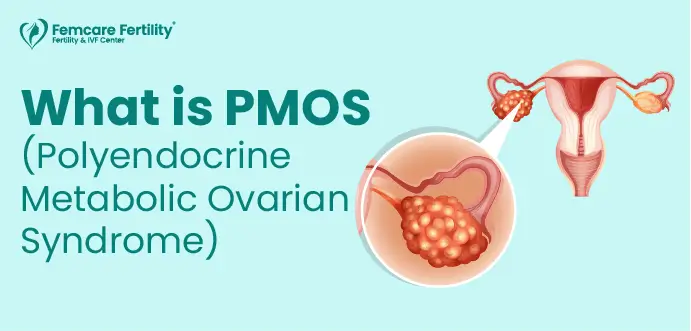
The full form of PMOS is “Polyendocrine Metabolic Ovarian Syndrome”. The term is frequently used by some fertility experts or health care professionals, but it is important to note that PMOS is not a standalone medical condition, but rather a condition closely associated with Polycystic Ovary Syndrome (PCOS). It emphasises the role of multiple hormonal glands and the body’s metabolism in addition to ovarian dysfunction.
If left untreated, PMOS can impact both menstrual health and fertility, metabolism, emotional health, and long-term health. Fortunately, most women can live normally and achieve a successful management plan with proper medical treatment, lifestyle modifications, and regular check-ups.
Today, in this comprehensive guide, you will learn what PMOS is, PMOS symptoms and treatment, risk factors, diagnosis, treatment options, diet recommendations, and the impact it could have on fertility.
PMOS Full Form & Meaning
PMOS full form is Polyendocrine Metabolic Ovarian Syndrome. It is a condition that is used by some fertility specialists that involves the endocrine system, metabolism and ovarian function. The term “Polyendocrine” refers to the fact that multiple glands produce hormones; “Metabolic” points out that there are metabolic changes in the body; and “Ovarian Syndrome” means the condition involves the ovaries. While PCOS (Polycystic Ovary Syndrome) is the internationally recognised medical term for the condition, the term PMOS is also used to highlight the wider implications of the condition – not just the health of the ovary but the broader implications of the hormonal and metabolic underpinnings.
What is PMOS(Polyendocrine Metabolic Ovarian Syndrome)?
PMOS is a hormonal and metabolic disorder in which several endocrine glands and the ovaries are not functioning properly. This can cause a hormonal imbalance, which results in irregular ovulation, menstrual irregularities, metabolic issues and fertility problems.
While PMOS is sometimes referred to as PCOS, many experts refer to it specifically to emphasise that the condition involves more than the ovary. This can include insulin sensitivity, abnormal androgen (male) hormones, chronic inflammation, and metabolic dysfunction.
In women with PMOS:
- The frequency of egg release by the ovaries may not be normal.
- There is an increase in male hormones (androgens).
- This may lead to insulin resistance and increased insulin levels.
- Regular menstruation is affected by hormonal imbalance.
- Several small follicles can be seen on ultrasound.
However, not all women will have the same symptoms. Most often, it is difficulty with the period, but at times it can be infertility, acne, hair overgrowth, or weight gain.
Signs and Symptoms of PMOS
The following are PMOS symptoms and treatment:
Signs and symptoms of PMOS may differ from woman to woman. Some may notice some minor hormonal shifts, and others may notice their hormones shift into a state of discomfort with menstrual changes, fertility issues, metabolism and overall health impacts. Early detection of these symptoms is crucial to timely diagnosis and treatment.
Common PMOS Symptoms
- Irregular ovulation: Periods may occur late, less frequently or at different times due to irregular ovulation.
- Irregular periods: The ovaries might not release an egg on a regular basis, which results in missed periods lasting several months.
- Heavy periods: The bleeding can be heavier or longer after a long period of no blood at all because of the buildup of the uterine lining.
- Weight gain: Unexplained weight gain, especially in the abdomen, is common and generally associated with insulin resistance.
- Difficulty losing weight: Many women find it challenging to lose weight despite following a healthy diet and exercising regularly.
- Acne and oily skin: Excessive oil production caused by high androgen levels can result in chronic acne and oily skin.
- Unwanted facial or body hair: Some people have too much hair on their face, chest, abdomen or back due to a hormone imbalance.
- Hair thinning: Hair on the scalp may become thinned, particularly around the crown, and from there forward is what is known as female-pattern hair loss.
- Dark patches: Dark, velvety skin around the neck, underarms or groin may be a sign of insulin resistance.
- Irregular ovulation: Irregular ovulation makes it more difficult to conceive naturally.
Severe PMOS Symptoms
- Absent periods: The periods may stop altogether for several months due to irregular ovulation.
- Infertility: If the ovulation issue is a persistent one, then it can cut down a lot on the chances of natural conception.
- Insulin resistance: PMOS may make a person more susceptible to developing prediabetes and Type 2 diabetes if not treated.
- Ongoing hormonal imbalance: may lead to a high level of weight gain and a rise in the risk of metabolic disorders.
- Severe acne: Acne can become painful, as well as being widespread and hard to deal with using normal skin care products.
- Moderate hair loss: Hair loss can become moderate over time, impacting self-confidence and emotional health.
- Sleep problems: Women with PMOS, especially overweight women, may suffer from sleep apnoea or from poor-quality sleep.
- Psychological issues: Constant symptoms and fertility difficulties can lead to anxiety, depression, stress and low self-esteem.
Main Causes of PMOS
The exact cause of PMOS has yet to be understood. But experts think it is a combination of lifestyle, genetic, metabolic, and hormonal changes that give rise to it. These can interfere with the normal functioning of the ovary and inhibit its ovulation, leading to the symptoms of PMOS.
Knowing what causes this may help women to seek timely treatment and minimize complications from the condition.
Hormonal Imbalance
One of the main causes of PMOS is hormonal imbalance. During this condition, the ovary will secrete an excessive amount of androgen (masculine hormones), thus disrupting the normal growth and ejection of eggs. Many women also become insulin resistant and begin to overproduce insulin, which also stimulates the production of androgens. Also, if there is a problem with reproductive hormones, like luteinising hormone (LH) and follicle-stimulating hormone (FSH), they can make it impossible to ovulate regularly. All these hormonal variations are responsible for the common symptoms of PMOS – acne, irregular periods, excess growth of hair, weight gain and fertility problems.
Genetics
PMOS has a genetic component. Women at risk of developing PCOS or PMOS are women whose mothers or relatives had the condition, women who have Type 2 diabetes, women who are obese, or women who have other hormonal disorders. It is thought that several genes play a role in the regulation of hormones, insulin and ovarian function. Although PMOS is not a genetic condition, genes may predispose some people to an unhealthy lifestyle and thus put them at risk. Having an understanding of your family medical history can help determine your risk early and prompt you to seek screening and treatment before it gets worse.
Lifestyle Factors
There are lifestyle habits that can have a significant impact on the onset and severity of the symptoms of PMOS. Consuming too many processed foods, refined carbohydrates, sugary beverages, and unhealthy fats can lead to weight gain and insulin resistance. Without regular exercise, physical inactivity can further impair metabolic health and the regulation of hormones. Poor sleep habits and stress can also affect hormone levels and cause irregular periods, exacerbating symptoms. While lifestyle factors don’t necessarily cause PMOS, a balanced diet, regular exercise, stress management and adequate sleep can significantly alleviate the effects of the condition and maintain a balanced hormonal environment.
PMOS Risk Factors
Women with a family history of Type 2 diabetes, obesity, PCOS or other hormone disorders have PMOS risk factor. Family history may play a role in the production of hormones, how well insulin works, and how well the ovaries function, making PMOS more likely.
Insulin Resistance
Insulin resistance is a very frequent risk factor of PMOS. When the body’s cells do not respond to the insulin, the pancreas will produce more in order to compensate. High insulin leads to a rise in the amount of androgens from the ovaries, causing irregular periods, weight gain and problems with ovulation.
Overweight or Obesity
Being overweight with a high insulin resistance may be a factor in poor hormonal balance, particularly with abdominal obesity. Having too much body fat causes inflammation and to the normal function of reproductive hormones, causing more severe symptoms of PMOS.
Sedentary Lifestyle
Exercising regularly can help you keep your weight under control and your metabolism and insulin sensitivity in good condition, and without it, you can gain weight and have improper metabolism and insulin sensitivity. People who don’t have an active lifestyle are more likely to develop hormonal or metabolic diseases such as PMOS.
Unhealthy Diet
Increased consumption of processed foods and refined carbohydrates, sugary beverages and unhealthy fats can contribute to high blood sugar and insulin resistance. A poor diet can also be a factor in obesity, which can make managing PMOS more challenging.
Chronic Stress
When stress is chronic, cortisol – the chemicals the body releases to deal with stress – rises. Cortisol can also cause hormonal imbalance, insulin resistance, irregular periods and weight gain when levels are high.
Poor Sleep
If you don’t get enough sleep or your sleep is poor, it can also disrupt levels of certain hormones, appetite control and insulin sensitivity. Over time, the lack of sleep can cause PMOS to develop, or worsen the symptoms of PMOS.
Thyroid Disorders
Hormonal disorders that are similar to or are components of PMOS may be more likely to occur in women with thyroid disorders. Thyroid function should be assessed while diagnosis as thyroid hormones play a role in regulating metabolism and the menstrual cycle.
High Blood Sugar or Prediabetes
Prediabetic women or women who have a high blood sugar level are more prone to develop insulin resistance which is a significant factor in the PMOS. By following the right diet, exercise and medical management, blood sugar control can reduce risks for complications.
Age and Reproductive Years
PMOS is most commonly diagnosed in reproductive age (late teens – early 20’s). The symptoms may appear after puberty when hormones affect the regularity of menstruation and ovulation.
MOS remains unknown, but there are some factors that may make it easier to develop the condition. With knowledge of these PMOS risk factor, early diagnosis and timely intervention are possible.
Difference Between PMOS and PCOD
Many women become confused by the terms PMOS, PCOS, and PCOD. Although they are closely related, they are not always used interchangeably.
| Feature | PMOS | PCOD |
| Meaning | Polyendocrine Metabolic Ovarian Syndrome | Polycystic Ovarian Disease |
| Main focus | Hormonal and metabolic imbalance affecting multiple endocrine glands | Ovarian dysfunction with multiple immature follicles |
| Hormonal imbalance | Significant | Present but may be less severe |
| Insulin resistance | Very common | May or may not occur |
| Metabolic complications | Higher risk | Comparatively lower risk |
| Fertility issues | Common | Common but often milder |
| Treatment approach | Lifestyle changes, medication, weight management and fertility care | Lifestyle changes and medical management |
In clinical practice, many healthcare providers still diagnose women with PCOS, as it remains the internationally recognised medical term. The concept of PMOS highlights the broader metabolic and hormonal aspects of the condition.
How is PMOS Diagnosed?
There is no definitive test for PMOS. The diagnosis is made based on clinical examination, history, laboratory tests, and imaging studies.
Early diagnosis will prevent complications and aid in fertility.
Medical History & PMOS symptoms and treatment
The first step is to have a thorough discussion of your medical history and symptoms.
Your doctor will ask you about:
- Menstrual cycle pattern
- Loss of menstruation or irregular periods
- Acne and excess of hair growth
- Sudden weight gain
- Hair thinning
- Difficulty conceiving
- A family history of diabetes or hormonal disorders.
- Previous pregnancies
Physical examination may also involve testing body weight, blood pressure, body mass index (BMI), and excess androgen production.
Blood Tests
Blood tests are useful for assessing hormone concentration and excluding other medical problems that could be causing similar symptoms.
Common investigations include:
- Blood sugar levels
- Fasting insulin
- HbA1c
- Lipid profile
- Luteinising hormone (LH)
- Follicle-stimulating hormone (FSH)
- Testosterone
- DHEAS
- Thyroid function tests
- Prolactin levels
If needed, Anti-Müllerian Hormone (AMH) will be used.
These tests give important insights into hormone levels, ovarian reserve and metabolic health.
Ultrasound Scan
Pelvic ultrasound is used to view the uterus and the ovaries.
The scan may reveal:
- Several tiny follicles on the ovary
- Enlarged ovaries
- Thickened ovarian tissue
- Other reproductive abnormalities
It must be noted that cysts can’t be seen in all women who have PMOS, and some women with polycystic ovaries may not experience PMOS symptoms.
Before making a diagnosis, doctors refer to the ultrasound results along with symptoms and blood test results.
PMOS Test Price in India
Numerous women are looking for the PMOS test price online. Typically, though, a diagnosis for PMOS is not just a single test, but a combination of consultations, blood tests and ultrasound exams are used.
The PMOS test price in India ranges from city to city, hospital to hospital, lab to lab, and varies based on the number of investigations suggested.
| Test | Approx cost |
| Gynaecologist consultation | ₹500–₹2,000 |
| Hormonal blood tests | ₹2,000–₹6,000 |
| Blood sugar & insulin tests | ₹500–₹2,000 |
| Thyroid profile | ₹300–₹1,000 |
| Pelvic ultrasound | ₹800–₹2,500 |
| Complete evaluation package | ₹4,000–₹10,000+ |
The total cost can change depending on the need for further fertility tests or if further special hormonal tests are needed.
When symptoms are not cyclical or if you have ongoing irregular periods, fertility issues, or multiple hormonal symptoms, it is best to seek the advice of a fertility specialist for proper diagnosis, instead of a self-diagnosis. Early assessment can result in early treatment and better reproductive and long-term health outcomes.
How is PMOS Treated?
The right PMOS treatment depends on your age, symptoms, reproductive goals, and overall health. Since PMOS affects multiple hormonal and metabolic processes, treatment usually involves a combination of medication, lifestyle changes, and dietary improvements rather than a single cure.
If you are planning a pregnancy, your treatment plan may focus on restoring ovulation and improving fertility. If pregnancy is not your immediate goal, treatment aims to regulate menstrual cycles, manage hormonal imbalance, and reduce the risk of long-term health complications.
With early diagnosis and personalised care, most women can successfully manage PMOS symptoms and lead healthy, active lives.
Medical Treatment
PMOS treatment is aimed at controlling hormonal imbalance and treating individual symptoms. Hormonal medications can be prescribed for women to control their menstrual cycles and to safeguard the lining of the uterus. There are medications like metformin that can help to make insulin more sensitive and reduce blood sugar levels in women with insulin resistance. If pregnancy is desired, medications that promote ovulation may be suggested to facilitate conception. In some instances, fertility procedures, such as IUI or IVF can be recommended. Your fertility doctor will develop a customised treatment plan that is based on your symptoms, reproductive desires and general fitness.
Natural Treatment
Along with medical treatment, natural treatment techniques can help manage PMOS symptoms. A healthy weight is achieved by a healthy diet and regular exercise, which can help to balance hormones and to make them more sensitive to insulin. Yoga, meditation and deep breathing can help reduce stress and balance hormones, enhancing emotional health. Additionally, adequate sleep (7-9 hours per night) helps to maintain hormonal equilibrium. Natural methods are not a cure for PMOS, but they help to minimise symptoms, increase the regularity of the menstrual cycle and enhance fertility. Please always ask for advice from your doctor before using herbal medicines and alternative remedies.
Lifestyle Changes
PMOS treatment involves long-term management and healthy lifestyle changes. Eating a healthy diet with lots of whole grains, lean protein, fruits, vegetables and healthy fats can keep blood sugar balanced and hormones balanced. Exercise, whether it’s walking, biking, strength training or yoga, can help improve insulin sensitivity and help maintain a healthy weight. Other factors such as quitting smoking, cutting back on alcohol and processed, sugary foods can help to promote general health. Medical examinations and blood sugar, blood cholesterol and hormone level monitoring are performed regularly to identify potential complications at an early stage and ensure proper long-term management of PMOS.
PMOS Diet Plan
It is important to have a healthy diet to help control symptoms of PMOS. The right food can play a role in enhancing insulin sensitivity, achieving a healthy body weight, reducing inflammation and balancing hormones.
Foods to Include
Let’s now discuss what kinds of food you can eat:
1. High-Fibre Foods
Fibre slows down the digestion of sugar and helps develop a healthy digestive system.
Choose foods such as:
- Oats
- Brown rice
- Whole wheat
- Quinoa
- Lentils
- Beans
2. Fresh Vegetables
Eat a variety of coloured vegetables such as:
- Spinach
- Broccoli
- Cauliflower
- Carrots
- Bell peppers
- Cucumber
3. Fruits
Eat fruits as needed, preferably those with a lower GI.
Good options include:
- Apples
- Pears
- Berries
- Oranges
- Guava
- Kiwi
4. Lean Protein
Protein helps to keep you satiated and keep muscles full.
Healthy sources include:
- Eggs
- Fish
- Chicken
- Tofu
- Paneer
- Greek yoghurt
- Lentils
- Healthy Fats
5. Good Fats
Good fats help to make hormones and lower inflammation.
Include:
- Nuts
- Seeds
- Avocados
- Olive oil
- Flaxseeds
- Walnuts
- Stay Hydrated
- Drink plenty of fluids; steer clear of sugary beverages.
Can PMOS Be Cured Permanently?
One of the most frequently asked questions by women is whether PMOS can be permanently cured.
There’s no permanent cure for PMOS at this time. But the illness can be well managed with early diagnosis, proper treatment and healthy lifestyle habits.
Many women find that their improvement in the following areas is very significant:
- Menstrual regularity
- Ovulation
- Fertility
- Weight management
- Acne
- Hair growth
- Blood sugar control
Regular appointments with a gynaecologist or fertility specialist are still crucial to track any progress and to avoid complications.
When to See a Doctor
Those who experience irregular periods, excessive facial and body hair, an acne rash, unexplained weight gain, hair thinning, or difficulty conceiving should seek medical advice. These symptoms can be signs of PMOS or other hormonal imbalances, and should be ruled out by medical examination. Good diagnosis can prevent complications like insulin resistance, Type 2 diabetes and infertility. If your periods are irregular for a few months or you have not conceived for more than a year (six months if you are over 35 years old) consult your GP or gynaecologist or a fertility specialist for early diagnosis and tailor-made treatment.
Conclusion
Luckily, PMOS can be successfully managed. Early diagnosis, tailored medical management, proper nutrition, regular exercise and continual monitoring can help keep hormones in check, resume ovulation, and enhance quality of life.
Don’t dismiss symptoms like irregular periods, excessive hair growth, acne, unexplained weight gain or difficulty conceiving. Early advice on medical matters can make a huge difference to future reproductive and long-term health.
Understand PMOS Early, Manage It Effectively
Whether you’re planning your first pregnancy or have been struggling with infertility for years, Femcare Fertility is committed to supporting you at every stage of your fertility journey.
Frequently Asked Questions (FAQs)
1. What is PMOS in very simple words?
PMOS full form is Polyendocrine Metabolic Ovarian Syndrome (PMOS), a condition involving a woman’s hormones, metabolism and ovarian activity. It disturbs the normal ovulation and menstruation cycles and consequently, conceiving may be more difficult. Most women can control the condition with proper treatment and an early diagnosis.
2. Is PMOS serious?
PMOS is generally not life-threatening, but shouldn’t be overlooked. If not treated, it may lead to infertility, Type 2 diabetes, high blood pressure, high cholesterol and heart disease. These long-term health risks can be minimised through early diagnosis and prompt treatment.
3. What is the main cause of PMOS?
The cause of PMOS is unknown. It is thought to be caused by a combination of hormones, insulin resistance, genetics and lifestyle. These factors play a role in impacting ovulation, metabolism and general hormonal health.
4. How much does a PMOS test cost?
The PMOS test prices in India are from ₹4,000 to ₹10,000. The amount to be paid depends on the consultation with the physician, the blood test for hormones, the ultrasound scan and any further investigations needed. The cost of the treatment varies from one hospital to another, from one fertility clinic to another, and from one diagnostic centre to another.
5. Can PMOS be cured permanently?
PMOS cannot currently be cured. It can be successfully treated with medication, a healthy diet, exercise and lifestyle changes. Regular treatment can help many women get relief from their symptoms.
6. Is PMOS treatable?
Yes, PMOS is a treatable disease. Typically, treatment involves medications, weight loss, dietary changes, and fertility treatments, if pregnancy is desired. With a customised treatment plan, you may be able to achieve better hormonal balance and reproductive health.
7. How does PMOS occur?
PMOS occurs when the hormonal balance and insulin resistance level is shifted from the normal functioning of the ovary. The condition can also be caused by genetic factors and lifestyle. These alterations involve the irregularity of menstruation, changes in metabolism and ovulation.
8. How can you control PMOS?
You can help manage PMOS through eating a balanced diet, maintaining a healthy weight and engaging in regular exercise. It is also crucial to manage stress, get plenty of rest and adhere to your doctor’s treatment plan. Regular health checks monitor progress and prevent complications.
9. Is PCOS the same as PMOS?
PCOS and PMOS are similar, but not the same. PCOS is the worldwide accepted medical diagnosis, and PMOS is a term employed by some specialists for the wider, hormonal and metabolic side of the condition. Both are related to hormone imbalance and treatment options may be similar.
10. Can PMOS be cured naturally?
Though natural methods cannot cure PMOS, they can be quite beneficial in managing its symptoms. A healthy lifestyle with proper diet, exercise, weight control, stress management and sleep can balance hormones and enhance insulin sensitivity. Such measures should be used in conjunction with medical treatment for optimum results.
11. What foods should be avoided with PMOS?
Sweets, sugary drinks, deep-fried foods, processed snacks, and packaged sweets should be avoided by women with PMOS. These foods may lead to more insulin resistance and inflammation. Healthier options include choosing whole grains, lean proteins, fruits and vegetables.
12. Can PMOS cause infertility?
Yes, it can be more challenging to conceive with PMOS as it impacts typical ovulation. Many women with PMOS will, however, go on to conceive, have a successful pregnancy, and deliver with early diagnosis and appropriate treatment and fertility support if needed. When dealing with issues of poor fertility, it may be helpful to consult with a fertility specialist to increase the likelihood of becoming pregnant.
13. What is the best treatment for PMOS?
Treatment for PMOS will vary based on symptoms, general health and whether you are trying to conceive. Treatment will involve lifestyle changes, medications, and fertility treatments if necessary. A personalised approach is the most effective way to control symptoms and increase fertility.