Have irregular periods, gained weight for no known reason, acne or trouble getting pregnant? These may be symptoms of a common hormonal imbalance in women, called Polycystic Ovary Syndrome (PCOS).
Research indicates that 70% of women affected by PCOS have not yet been diagnosed, delaying access to appropriate treatment and care. Some women have mild symptoms, while others might have difficulties with their fertility, their metabolism and their health. Some symptoms include irregular periods, weight gain, acne, excess hair growth and fertility and pregnancy issues.
The key to treating PCOS is understanding it, its causes, and the symptoms you may experience. Thanks to early diagnosis and adequate medical care, women suffering from PCOS can greatly enhance their health, attain regular periods and become pregnant without any difficulty.
You’ve probably asked yourself questions about what is PCOS, what PCOS is, fertility and whether it’s the same as PCOD, etc., so have others. Fortunately, most women with PCOS can find a way to control the symptoms and, with the proper treatment, have a normal pregnancy.
PCOS Full Form & Meaning
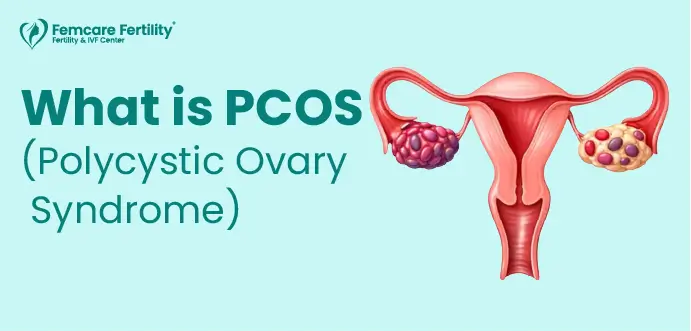
PCOS full form is Polycystic Ovary Syndrome. A hormonal and metabolic disorder that impacts the ovaries and hormone balance in the body. Polycystic is used to describe the multiple small fluid-filled “follicles” that can form on the ovary(s) as a result of the disruption of ovulation.
In recent years, medical experts have claimed that PCOS and PCOD are best categorised as PMOS (Polymetabolic Ovary Syndrome) because it is not just about the ovaries but about the metabolic syndrome as well, including insulin resistance, obesity, and an elevated risk for type 2 diabetes.
What is Polycystic Ovary Syndrome (PCOS)?
PCOS is a condition that occurs due to a disruption in the proper functions of the ovary by a hormonal imbalance. The ovaries may not ovulate or may only do so irregularly, rather than releasing an egg monthly. This may cause irregular periods and fertility issues.
PCOS impacts a woman’s health in many ways, such as:
- Menstrual cycles
- Fertility
- Weight management
- Health of the skin and hair.Health of the skin and hair.
- Blood sugar regulation
While there is no long-term cure for PCOS, proper lifestyle modifications and medical management can help women to live healthy lives, and the chances for pregnancy and fertility can be enhanced.
What Age Does PCOS Start?
PCOS will usually first present when a woman is in her early 20s or 30s. PCOS can occur at any time after puberty, but is typically diagnosed during the ages of 15-30. Women can experience symptoms for the first time in their late teens or early 20s when their periods become irregular, acne appears, they gain weight or experience fertility problems.
What are the Types of PCOS?
Although PCOS is diagnosed based on standard medical criteria, healthcare professionals often classify it into different patterns depending on the underlying cause.
1. Insulin-Resistant PCOS
This is the most well-known type of PCOS. Cells of the body become less sensitive to insulin, and the pancreas has to work harder to produce insulin. Excess insulin stimulates the ovary to make too many androgens, which makes it harder to ovulate.
Common features include:
- Weight gain
- Sugar cravings
- Fatigue
- Difficulty losing weight
- Increased abdominal fat
2. Inflammatory PCOS
The long-term low-grade inflammation might play a role in hormonal imbalance and enhanced androgen production.
Symptoms may include:
- Skin problems
- Persistent fatigue
- Joint discomfort
- Elevated inflammatory markers
- Hormonal irregularities
3. Post-Pill PCOS
A few women experience temporary PCOS symptoms after ending the use of oral contraceptives.
Common signs include:
- Abnormal menstruation (late periods)
- Acne
- Hair shedding
- Hormonal fluctuations
- Often, symptoms get better on their own.
4. Adrenal PCOS
The adrenal glands overproduce stress hormones and androgens, which are responsible for some of the symptoms of PCOS.
Common features include:
- Anxiety
- High stress levels
- Sleep disturbances
- Excess facial hair
- Irregular menstrual cycles
Common PCOS Symptoms and Treatment You Shouldn’t Ignore
Some might have small symptoms, while others may have several health and fertility issues. Early detection of these symptoms will help in the timely diagnosis and treatment.
1. Irregular or Missed Periods
One of the earliest signs of PCOS, irregular or missed periods, which occur when hormonal imbalances disrupt ovulation, causing menstrual cycles to become unpredictable, infrequent, or completely absent.
2. Excess Hair Growth (Hirsutism)
This is because there’s an increase in hormones called androgens. One of the most conspicuous signs of PCOS is too much hair growth, which can harm self-confidence.
3. Acne and Oily Skin
Facial, jawline, chest and upper back acne that does not improve over time could indicate PCOS. While the effects of excess androgen are similar, they cause excess oil production and frequent breakouts.
4. Weight Gain and Difficulty Losing Weight
Weight gain is a common problem for women with PCOS, especially in the abdomen. Insulin resistance, a condition associated with PCOS, makes it difficult for the body to use glucose effectively and can lead to weight gain.
5. Hair Thinning or Hair Loss
Women with PCOS can also develop hair thinning in the scalp area and have extra hair in other areas. This type of hair loss is called female-pattern hair loss and is caused by high androgen levels. It can cause less hair to grow and become apparent over time.
6. Difficulty Getting Pregnant
PCOS is among the top reasons for women not being able to conceive. It can be difficult to conceive naturally since ovulation is irregular or may not happen at all.
7. Dark Skin Patches (Acanthosis Nigricans)
There can be dark, velvety patches of skin around the neck, underarms, groin or under the breasts. These are skin changes and are typically linked to insulin resistance and can be a very early warning sign of the metabolic problems that are commonly related to PCOS.
8. Mood Changes, Anxiety and Depression
PCOS doesn’t just impact the body. Emotional problems can result due to hormonal changes, fertility issues, body image problems and persistent symptoms. Emotional health is a key component of overall treatment, with many women with PCOS experiencing feelings of anxiety, depression, mood swings or increased stress levels.
What Causes PCOS?
There is still no clear understanding of the exact cause of PCOS. But researchers believe that there are genetic, hormonal, metabolic and environmental factors involved.
1. Genetics
PCOS is a condition that may be influenced by genetics. Women who have a family history of PCOS are at a higher risk of having the condition. If your mother, sister or close female relative has PCOS, then you might have a greater likelihood of having the same hormonal issues.
2. Insulin Resistance
One of the most frequent underlying causes of PCOS is insulin resistance. Insulin is a hormone that enables the cells of the body to utilise glucose as fuel. As the cells become insulin resistant, the body makes even more insulin. The excessive insulin can cause the ovaries to make too many androgens (male hormones).
3. Hormonal Imbalance
High levels of androgens, such as the hormone testosterone, are common in women with PCOS. These hormone changes may disrupt the normal growth and release of eggs from the ovaries. This can lead to irregular or absent ovulation. Hormone imbalances can also result in other symptoms, including acne, hair thinning, and excess hair growth on the face or body.
4. Chronic Inflammation
Chronic inflammation is a common finding in many women with PCOS, even when they don’t have an infection or illness. The constant inflammatory reaction can stimulate the production of androgens by the ovaries, exacerbating the symptoms of PCOS. Chronic inflammation is also associated with insulin resistance, cardiovascular disease, and other metabolic diseases that are often experienced in PCOS.
5. Lifestyle Factors
The factors affecting lifestyle do not directly lead to the development of PCOS, but can definitely affect its symptoms. Hormonal imbalance and insulin resistance can be aggravated by poor dietary choices, a sedentary lifestyle, lack of physical activity and excessive weight gain.
PCOS vs PCOD – What’s the Key Difference?
Many people use these terms interchangeably, but PCOD vs PCOS has important differences.
| Feature | PCOS | PCOD |
| Nature of Condition | Hormonal and metabolic syndrome | Ovarian disorder |
| Severity | Usually more complex | Generally milder |
| Ovulaation | Often irregular or absent | May occur regularly or occasionally |
| Fertility impact | Can significantly affect fertility | Mild to moderate |
| Hormonal Imbalance | More pronounced | Less severe |
| Risk of Diabetics | Higher | Lower |
| Long-term health risks | Increased risk of diabetes, heart disease, and metabolic syndrome | Relatively lower |
How is PCOS Diagnosed?
The diagnosis of PCOS requires a symptom evaluation, medical history, physical exam, and diagnostic tests. There is no single test that can confirm PCOS, and doctors take into account several factors before finalising the diagnosis. The symptoms and medical history are thoroughly examined.
Medical History and Symptom Assessment
- Irregular or missed periods.
- Weight gain
- Hairy face or body
- Acne and skin changes.
- Difficulty conceiving
- Family history of PCOS or diabetes.
Physical Examination
A physical exam can reveal some of the following common symptoms of PCOS:
- Excessive hairiness (hirsutism).
- Acne and oily skin
- Hair thinning
- Brown or black patches of skin under the arms or around the neck
- Weight and BMI (body mass index)
Blood Tests
Common tests include:
- Testosterone levels
- Luteinising Hormone (LH)
- Follicle-Stimulating Hormone (FSH)
- Thyroid Function Test (TFT)
- Prolactin levels
- Fasting blood sugar
- Insulin levels
- Lipid profile
Pelvic Ultrasound
Pelvic ultrasound is one of the routine tests that is performed to evaluate the ovarian and uterine status. Women who have PCOS may have enlarged, polycystic (small follicles) ovaries.
Diagnostic Criteria for PCOS
Physicians usually diagnose PCOS if two or more of the three criteria listed below are met:
- Irregular or irregular periods.
- High levels of male hormones (androgens)
- Polycystic Ovaries seen on Ultrasound scan
PCOS Test Cost in India
Many women wonder about the PCOS test cost before seeking evaluation.
Lets, look at the approximate costs and remember that it may vary depending on the city and healthcare facility.
| Test | Estimate cost |
| Pelvic Ultrasound | ₹800 – ₹2,500 |
| Hormonal Profile | ₹1,500 – ₹4,000 |
| Blood Sugar Test | ₹200 – ₹500 |
| Insulin Test | ₹500 – ₹1,500 |
| Thyroid Function Test | ₹300 – ₹800 |
| Complete PCOS Panel | ₹3,000 – ₹8,000 |
The overall PCOS test cost in India is around ₹3,000 to ₹10,000. However, it depends on multiple factors like city, area, and fertility clinics.
How is PCOS Treated?
The treatment approach for PCOS depends on your symptoms, age, overall health, and whether you are trying to conceive. While there is no permanent cure, PCOS treatments can help manage and improve fertility outcomes.
Non-Fertility PCOS Treatment Options
1. Lifestyle Modifications
The first-line treatment for PCOS is to make healthy lifestyle changes. Any loss in weight, even just 5% -10% will help to regulate periods, improve insulin sensitivity and help balance hormones.
2. Medications to Regulate Periods
Hormonal medications, such as oral contraceptive pills, can be used to balance the menstrual cycle and to lower the amount of androgen.
Benefits include:
- More regular periods
- Reduced acne
- Fewer unwanted hairs will grow.
- Reduces the risk of problems in the uterus (endometrium)
3. Insulin-Sensitising Medications
For women who have insulin resistance, pills like metformin can help the body respond better to insulin and can work to help the body become regular.
Benefits may include:
- Improved menstrual regularity
- Improved blood sugar control.
- Lower risk of diabetes. Decreased diabetes risk.
- Forced or unsuspecting weight gain. Assistance with weight gain.
Fertility-Focused Treatment Options
The choice of PCOS treatments depends on factors such as age, ovarian reserve, overall health, and how long you have been trying to conceive.
1. Ovulation Induction Medications
Women with PCOS may be the first to be prescribed induction of ovulation. These medications stimulate the ovaries to release mature eggs, increasing the chances of natural conception.
2. Intrauterine Insemination (IUI)
Insemination or IUI (Intrauterine Insemination) happens when specially prepared sperm is inserted into the uterus around the time of ovulation. This method improves the chances of fertilisation because the sperm is able to reach the egg and do so efficiently.
3. In Vitro Fertilisation (IVF)
For women who have not had success with other fertility treatments and have PCOS, IVF is one of the most effective treatments. In IVF, eggs are collected from the woman’s ovaries, fertilised in a lab, and then the embryo is placed in the woman’s uterus.
Can PCOS Be Cured Permanently?
Currently, there is no cure for PCOS; however, it is manageable with lifestyle changes, medication and infertility treatment as needed. Losing weight and keeping it off, along with taking steps to control insulin resistance and the advice of a medical professional, is a way for many women to greatly improve their symptoms. Timely diagnosis and proper treatment may help avoid complications and a better quality of life.
What are the Risks and Complications of PCOS?
PCOS can have other health impacts on women if not treated that go beyond fertility. These risks can be minimised by early diagnosis and management.
1. Infertility
Women with irregular or no ovulation may have trouble getting pregnant without medical help. PCOS is among the most prevalent causes of female fertility problems in the world.
2. Type 2 Diabetes
Often, women with PCOS also suffer from insulin resistance, putting them at an increased risk of developing type 2 diabetes if they don’t get treatment.
3. High Blood Pressure
Women with PCOS may be more likely to develop hypertension, a condition that can lead to cardiovascular issues later in life.
4. High Cholesterol Levels
When hormonal imbalances occur, along with metabolic imbalances, it can contribute to unbalanced cholesterol levels, which is a risk factor for heart disease.
5. Endometrial Hyperplasia
A history of irregular periods can lead to excessive buildup of the uterine lining and, therefore, elevated risk for endometrial hyperplasia and, in some cases, endometrial cancer.
6. Sleep Apnoea
Women who have PCOS, especially those who are overweight, may be at risk for sleep-related breathing disorders like sleep apnoea.
Anxiety, depression, low self-esteem, and body image issues are all possible symptoms of OS.
Can PCOS Cause a Miscarriage?
Yes, PCOS can lead to miscarriage (early pregnancy loss), especially in early pregnancy. This increased risk can be caused by many different factors linked to PCOS, such as insulin resistance, obesity, hormonal imbalance, and poor egg quality. But having PCOS does not mean that you have to have a miscarriage. For many women suffering from PCOS, it is possible to have a normal pregnancy and a healthy delivery. Good medical care before and during the pregnancy can make a big difference in the outcome.
Tips to Manage & Improve PCOS Naturally
Some women may require medical therapy, but some lifestyle changes can help decrease symptoms and can promote good hormonal health.
1. Follow a Balanced Diet
Emphasise whole grains along with lean proteins, fruits, and vegetables, and minimise processed items and refined sugars.
2. Exercise Regularly
Aim for at least 150 minutes of moderate physical activity each week. Regular exercise helps improve insulin sensitivity, supports healthy weight management, promotes hormonal balance, and may help regulate menstrual cycles in women with PCOS.
3. Keep a Healthy Weight
A modest weight loss will often help normalise ovulation and the regularity of the period in women with PCOS.
4. Manage Stress
The effects of chronic stress on hormones can be exacerbated. Yoga, meditation, deep breathing exercises and mindfulness can help.
5. Priorities Quality Sleep
Poor sleep can disrupt hormone balance and worsen insulin resistance, both of which can aggravate PCOS symptoms. Aim for 7–9 hours of quality sleep each night to support overall hormonal health and well-being.
6. Avoid Smoking and Excessive Alcohol
These can both be detrimental to hormonal balance and reproductive health.
When Should You See a Doctor?
If you have any of these symptoms, you should seek advice from a fertility specialist or gynaecologist:
- Periods that come irregularly or don’t come at all.
- Infertility – inability to conceive for several months after attempting to conceive.
- Hairy face or body
- Persistent acne
- Unexplained weight gain
- Hair thinning/hair loss
- Recurrent miscarriages
- Insulin resistance or diabetes symptoms.
- Earlier medical advice can help to avoid complications and improve fertility outcomes.
Conclusion
PCOS is a frequent hormonal disorder in millions of women around the world. The symptoms are not the same, but include irregular periods, excessive hair growth, acne, weight gain and fertility problems. Knowing what PCOS is and identifying PCOS symptoms and treatment can improve reproductive and health outcomes in the future.
While the condition is not curable, appropriate management of PCOS can help to control hormones, enhance fertility and alleviate symptoms, while minimising the risk of complications. Women suffering from PCOS can live healthy lives and attain pregnancy with proper medical treatment and lifestyle changes.
Take Control of PCOS and Move Closer to Parenthood
FAQs
1. What is PCOS?
Polycystic Ovary Syndrome (PCOS) is a hormonal imbalance disorder that impacts a woman’s ovaries. It can lead to irregular periods, trouble ovulating, weight gain, acne, excess hair growth and fertility problems. Most women can control their symptoms and enjoy a healthy life with appropriate treatment and lifestyle changes.
2. What does PCOS stand for?
The PCOS full form is Polycystic Ovary Syndrome. A disease with imbalanced hormones, irregular periods and metabolic issues, which may impact fertility and health.
3. What are the main key differences between the two (PCOD & PCOS)?
The key difference between PCOD and PCOS is that PCOD is primarily an ovarian condition in which immature eggs accumulate in the ovaries, leading to hormonal imbalances and irregular periods. In contrast, PCOS is a more complex hormonal and metabolic disorder that affects multiple body systems, including reproductive, endocrine, and metabolic health. As a result, PCOS is generally considered more severe and may have a greater impact on fertility, insulin resistance, and long-term health outcomes.
4. What are the main symptoms of PCOS?
Typical symptoms of PCOS are:
- Acne and oily skin
- Weight gain
- Hair thinning or hair loss
- Difficulty conceiving
- Dark skin patches
- Changes in mood and anxiety.
5. How much will a PCOS test in India cost?
The PCOS test cost in India is usually between ₹ 3,000 and ₹ 10,000, which depends on the tests conducted and the diagnostic centre. Hormone, blood sugar, insulin, thyroid and pelvic ultrasound tests may be conducted.
6. Can PCOS be cured?
PCOS can’t be permanently cured at the moment. But lifestyle changes, medications and fertility treatment can manage the symptoms when needed. With the right medical treatment and proper health habits, many women do well.
7. Is PCOS a genetic disorder?
Heredity is thought to be a significant factor in the development of PCOS. Women who are at risk of developing PCOS are more likely to actually develop the condition. But its severity and progression can also be affected by environmental and lifestyle factors.
8. Does PCOS ever resolve on its own?
PCOS rarely goes away completely. Some symptoms may get better with time, though, through weight loss, eating a healthy diet, regular physical activity and proper medical care. There is often more of an impact for early intervention.
9. Can I get pregnant if I have PCOS?
Yes. A lot of women with PCOS manage to conceive and have a successful pregnancy. Although PCOS makes it harder for ovulation and fertility to become even more difficult, treatments like ovulation induction, IUI and IVF can increase the chances of pregnancy.
10. How does PCOS impact mental health?
Hormonal changes, fertility problems, changes in body image, and continued symptoms can impact emotional health. Women experiencing PCOS might be more prone to anxiety, depression, stress and have lower self-esteem. Taking a holistic approach to PCOS management, it is important to ensure that mental health is addressed.
11. Is surgery a treatment option for PCOS?
Surgery is NOT the first option for PCOS. If these medications don’t cause ovulation, in some cases, a procedure called ovarian drilling can be used. But, for the majority of women, surgery is not necessary as they respond well to lifestyle modifications and medical interventions.
12. What are the long-term effects of untreated PCOS?
Without treatment, a person with PCOS can develop (or not develop):
- Infertility
- Type 2 diabetes
- High blood pressure
- High cholesterol
- Heart disease
- Sleep apnoea
- Endometrial hyperplasia
- Endometrial cancer
- Anxiety and depression
These risks can be minimised and overall health outcomes boosted by early diagnosis and treatment.