
Starting fertility treatment can feel emotionally heavy. Many couples spend months, sometimes years, trying to understand why pregnancy is not happening naturally. At Femcare Fertility, every IVF treatment plan starts with proper medical clarity, careful planning, and support that stays consistent all the way through.

Medical Director, MD, DGO, FRM, MBBS In vitro fertilization Specialist & Gynecologist
12+ years of experience
Consultation Area: Pune

Chief Fertility Consultant and Clinical Head
IVF Specialist, endoscopic surgery, immunology & regenerative therapies
13+ years experience
Consultation Area: Pune

Chief Embryologist
12+ years experience in reproductive medicine and advance ART technologies PhD in Genetics of Male Infertility
Consultation Area: Pune

Infertility Specialist, MBBS(Gold Medalist), MS, MCh (Reproductive Medicine)
12+ years of experience
Consultation Area: Kolkata

Senior Specialist Embryologist
25+ years embryology expertise
Certified PGT specialist (IGENOMIX)
Consultation Area: Kolkata

Infertility Specialist & Female Fertility Expert MBBS, M.R.C.O.G (UK), Diploma in Psychological Counsiling, Fellowship in Reproductive Medicine, F.R.C.O.G (UK)
30+ years of experience

Infertility Specialist, MS, DNB, FRM, FMAS (Fellowship in Minimal Access Surgery), DMAS (Diploma in Minimal Access Surgery
14+ years of experience
Consultation Area: Kolkata
Our advanced IVF clinic in Baner is equipped with modern reproductive technology and specialised fertility support for couples exploring assisted conception.
To book an appointment in Pune, Call : +91-9967050566
This centre provides complete IVF treatment support, including fertility diagnosis, treatment planning, and assisted reproductive procedures.
To book an appointment in Pune, Call : +91-9967050566
At our Kolkata clinic, patients have access to advanced IVF treatment, experienced fertility experts, and modern embryology support.
To book an appointment in Kolkata, Call : +91-8484069668
“After two failed attempts elsewhere, we came to Femcare feeling emotionally exhausted. The doctors explained every step patiently and never rushed us into decisions. That made a real difference.”
“I liked how clearly the IVF treatment procedure was explained. The team was approachable and supportive even in the most stressful moments.”
“Our experience from the very beginning felt very personal. We never felt like just another case.”
IVF, or in vitro fertilisation, is a fertility procedure where eggs and sperm are combined outside the body in a controlled laboratory environment. Once fertilisation occurs, the embryo is monitored carefully and then transferred into the uterus.
The conditions listed below are some of the most common reasons why IVF may be recommended. However, fertility treatment is highly individualised, and the most appropriate approach depends on factors such as age, medical history, fertility test results, and previous treatment outcomes. A fertility specialist can help determine whether IVF is the right option for you.
Blood tests measure hormones such as AMH , FSH , LH , estradiol and thyroid function. A transvaginal ultrasound is an evaluation of the uterus and ovarian reserve. The male partner gives a semen sample for analysis.
Hormone injections are given for 8 to 14 days to help the ovaries produce mature eggs, with regular scans and tests to monitor progress. Once follicles reach the right size, a trigger injection is given to prepare for egg retrieval.
It is done within 30 minutes under sedation. A thin needle is guided through the vaginal wall by ultrasound to collect the fluid from each mature follicle.
On the same day as egg retrieval, the male partner provides a semen sample, which is processed in the lab to isolate the best sperm.
The retrieved eggs and prepared sperm are combined in the embryology lab. Fertilisation is confirmed the following morning.
Fertilised eggs are cultured in incubators for three to five days under controlled temperature, humidity, and atmospheric conditions. Embryologists regularly assign each embryo a grade for cell division, symmetry and quality of development.
A single good-quality embryo is loaded into a thin, flexible catheter and placed inside the uterus through the cervix. No anaesthesia is needed. The procedure takes a few minutes.
A blood test measuring beta-hCG is done 10 to 14 days after transfer. This is the only reliable way to confirm whether the embryo has implanted.
One complete IVF cycle usually takes 4 to 6 weeks from the start of stimulation to the pregnancy test result. The exact timeline varies by individual response to medication and whether a fresh or frozen transfer is planned.
Frozen embryo transfer cycles follow a different schedule, typically 3 to 4 weeks for uterine preparation, separate from the stimulation cycle.
The average IVF treatment cost in India usually ranges between ₹90,000 and ₹2,50,000 or more per cycle. The final cost can vary depending on factors such as the fertility clinic, city, medication protocol, laboratory procedures, and whether advanced fertility techniques are required as part of treatment.
Factors that can influence IVF treatment cost include:
The IVF success rate varies from one person to another and is usually measured as pregnancy or live birth per embryo transfer. Age is one of the biggest factors affecting outcomes.
In general, women below 35 years may have a higher chance of success compared to women in their late thirties or forties. Fertility history, egg quality, sperm health, and overall reproductive health also influence results.
Factors that can affect IVF success include:
IVF can offer hope to couples when natural conception becomes difficult or when simpler fertility treatments have not worked. Since fertilisation happens in a monitored laboratory setting, fertility specialists can carefully plan and support each stage of treatment.
Key benefits of IVF treatment in India include:
IVF treatment is generally safe, though some mild side effects and risks can occur during the process. Most symptoms are temporary and improve within a short time.
Possible risks and side effects of IVF treatment include:
After the embryo transfer, most patients can return to light daily activity the same day unless the doctor advises otherwise.
For the two weeks between transfer and the pregnancy blood test, keep the following in mind:
Small lifestyle changes can support your body during IVF treatment. While no step guarantees success, healthy habits may help improve your response to treatment.
Some helpful tips include:
If you’ve been trying to conceive regularly for 12 months without success, it’s time to see a specialist. If the female partner is 35 or older, that window shortens to 6 months. An early consultation doesn’t commit you to treatment. It gives you a clear picture of where things stand, and in fertility medicine, that clarity is worth a great deal.
IUI treatment may be recommended for couples dealing with mild fertility concerns or unexplained infertility before moving to advanced reproductive procedures. During the process, prepared sperm is placed directly inside the uterus around ovulation to improve the chances of fertilisation.
Click here to know more about IUI treatment
ICSI treatment is often performed alongside IVF when male fertility concerns affect conception. By carefully injecting a single healthy sperm directly into the egg, this procedure helps improve fertilisation in cases involving low sperm count, reduced motility, or previous fertilisation difficulties.
Click here to know more about ICSI treatment
Egg freezing gives women the option to preserve fertility for the future. Whether planned for medical reasons, delayed parenthood, or personal circumstances, the treatment allows mature eggs to be retrieved and stored for use when pregnancy is planned later.
Click here to know more about Egg Freezing
Our fertility specialists bring years of clinical experience in managing complex infertility concerns and IVF treatments. From fertility evaluation to embryo transfer, patients receive guidance backed by expertise, careful planning, and compassionate care.
Successful IVF treatment depends on precision. Femcare Fertility uses advanced laboratory support and modern reproductive technology to assist every stage of the IVF process, helping specialists make informed treatment decisions based on individual fertility needs.
No two fertility journeys feel the same. Some couples may be trying IVF for the first time, while others may have experienced failed cycles elsewhere. That difference matters. Our team creates personalised IVF treatment plans based on fertility reports, medical history, age, and reproductive goals.
IVF treatment can bring many questions, emotions, and difficult decisions. Patients at Femcare Fertility receive clear communication, honest guidance, and emotional support throughout the treatment journey, helping them feel informed at every step.
Over the years, Femcare Fertility has supported couples across Pune, Kolkata, and beyond through evidence-based fertility treatments and specialist-led reproductive care. The focus remains the same: helping patients move forward with confidence and the right medical support.
If you’re exploring IVF treatment in India, a consultation with one of our fertility specialists is the right first step. Whether this is your first enquiry or you’re looking for guidance after previous treatment that didn’t work, the team at Femcare Fertility will assess your situation properly and explain what the options are.
IVF is recommended for couples dealing with blocked fallopian tubes, low ovarian reserve, ovulation disorders, severe male infertility, endometriosis, unexplained infertility after failed IUI, recurrent miscarriage, or genetic conditions that require embryo screening. A fertility specialist assesses both partners before confirming whether IVF is the right path.
The whole IVF cycle, from the beginning of ovarian stimulation to the pregnancy test, usually takes 4-6 weeks. The time frame can change based on how the medication is working and if a fresh or frozen embryo transfer is planned. Frozen transfer cycles require a different phase of uterine preparation.
Age is the biggest factor. And with age, the quality and quantity of eggs decline. Sperm health, embryo quality, uterine condition and any underlying medical conditions that have or haven’t been treated play a role.
Every couple requires a different combination of medications, tests, lab procedures and support. Other factors affecting cost include use of ICSI, PGT genetic testing, embryo freezing, surgical sperm retrieval and number of cycles required.
IVF is a medical procedure that is closely monitored and has a good safety track record. Like any medical treatment, it carries some risks, mainly OHSS, post-retrieval discomfort, and the general low-level risks of a procedure done under sedation. Serious complications are rare.
Most patients describe IVF as uncomfortable rather than painful. The stimulation injections cause mild discomfort. Monitoring scans and the embryo transfer are generally painless. Egg retrieval is done under sedation, so there’s no pain during the procedure. Some cramping afterwards is normal.
Some couples conceive on the first cycle. Others need more than one. The number depends on the age, the quality of the embryos, the ovarian reserve and the way the body reacts to the treatment.
You will need to follow the medication instructions you have been given after the embryo transfer, attend your follow-up appointments, avoid strenuous exercise and alcohol and wait for the scheduled beta-hCG blood test rather than testing early at home. Call the clinic if you have a fever, severe pain, or heavy bleeding.
IVF is the right option when simpler treatments have failed, or when the underlying cause makes success with IUI or ovulation induction unlikely. Blocked tubes, severe male infertility, very low ovarian reserve, endometriosis, and age-related fertility decline are situations where IVF is often the direct recommendation.
If you’ve been trying regularly without success for 12 months, or 6 months if the female partner is 35 or older, see a specialist. Also seek an earlier appointment if there are known fertility concerns, a history of miscarriage, irregular periods, or any previously diagnosed reproductive condition in either partner.
Fill in the details below to get a callback instantly
2nd Floor, Avenue Imperia, Baner Gaon, Pune, Maharashtra 411045
Call :+91 88550 33028
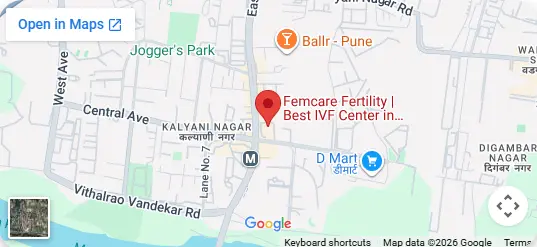
Office 102, 1st Floor, Suman Business Park, Kalyani Nagar, Pune, Maharashtra 411014
Call :+91 99670 50566
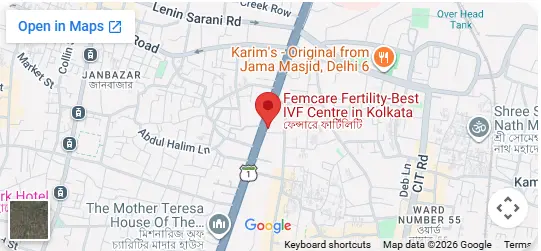
1st Floor, 162B, Acharya Jagdish Chandra Bose Rd, Entally, Kolkata, West Bengal 700014
Call :+91 84840 69668