Introduction
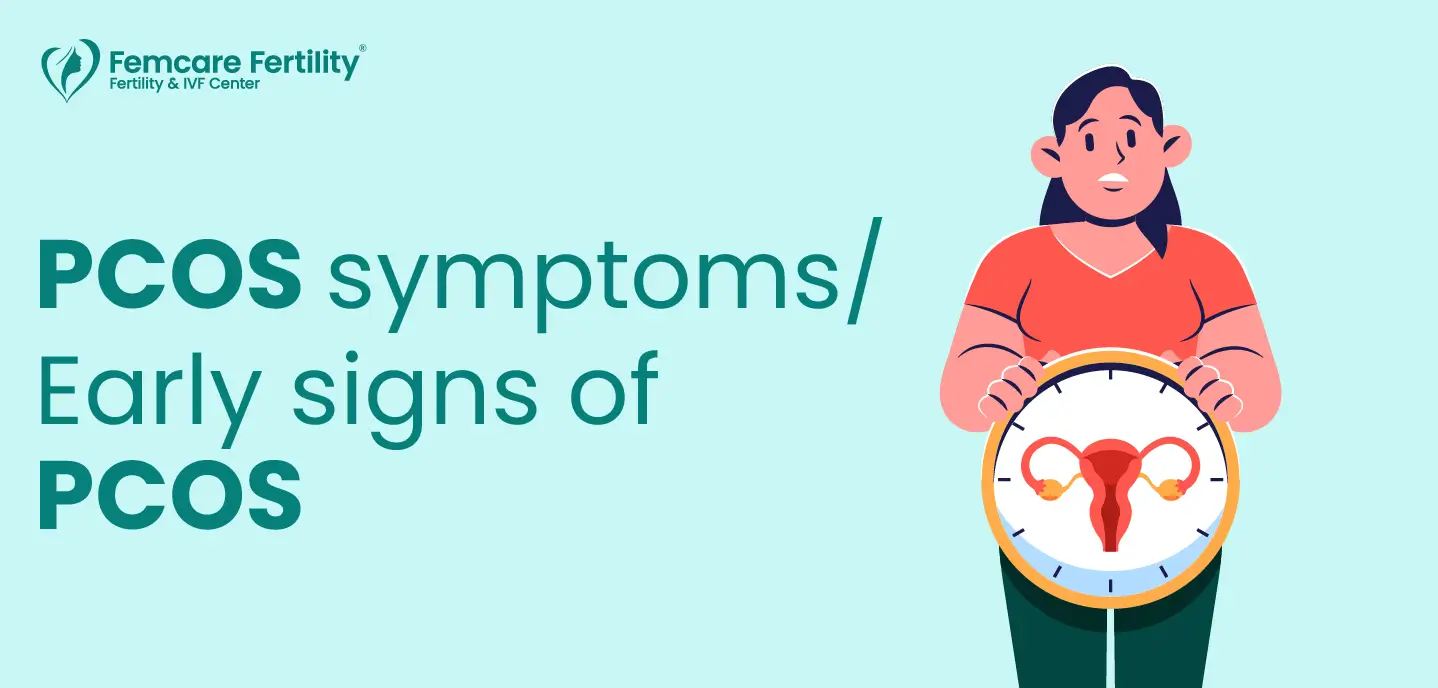
Dealing with acne, irregular periods, or sudden weight gain can feel frustrating and confusing. According to the Endocrine Society, 7–10% of women of childbearing age suffer from PCOS, a hormonal disorder that may be the cause of these early symptoms. Many people overlook these indicators and write them off as stress or changes in lifestyle. However, if left untreated, PCOS can result in major problems like insulin resistance, infertility and long-term health issues. Continue reading to learn how to recognise the warning signs, identify the true cause, and determine your next course of action.
What is PCOS?
Polycystic Ovary Syndrome (PCOS) is a common hormonal disorder that affects how a woman’s ovaries function. It occurs due to an imbalance of reproductive hormones, especially androgens, which are the male hormones that women also produce in trace amounts. In PCOS, these androgens are often too high. This disrupts ovulation and leads to symptoms like irregular periods, acne, hair growth and even infertility.
Although not all women with PCOS have ovarian cysts, one of the main characteristics of PCOS is the existence of numerous immature follicles on the ovaries, which may be seen on an ultrasound. The hormone insulin, which controls blood sugar, is also frequently found in high concentrations. This raises the risk of type 2 diabetes, causes weight gain in PCOS and contributes to insulin resistance.
PCOS is a chronic illness that, if left untreated, can increase the risk of long-term health issues like metabolic syndrome, heart disease and endometrial cancer.
What Are the Early Symptoms of PCOS?
PCOS often develops during puberty, but many women don’t recognise the signs until their 20s or 30s. This is because the early symptoms can seem unrelated or get dismissed as normal changes. However, early detection is essential for treating the illness and averting long-term health issues. The most typical early symptoms of PCOS are listed below, along with the underlying medical causes:
Irregular Periods
Many women with PCOS experience fewer than eight periods a year or go months without one. This happens because high androgen levels interfere with ovulation, the release of an egg each month. Without ovulation, the menstrual cycle becomes unpredictable or stops altogether. In some cases, periods may be unusually heavy due to the buildup of the uterine lining over time.
Acne and Oily Skin
Persistent acne, particularly around the chin, cheeks and jawline, is one of the first skin-related early symptoms of PCOS. This is brought on by high levels of androgen, which activate the skin’s oil glands and cause more sebum to be produced. The extra oil clogs pores, leading to acne that may not respond well to standard treatments.
Weight Gain and Difficulty Losing Weight
Weight gain, especially around the abdomen, affects up to 80% of women with PCOS. This is associated with insulin resistance, a condition in which cells in the body do not react appropriately to insulin. Consequently, more insulin is produced, which promotes fat storage and makes it much more difficult to lose weight even with diet and exercise.
Unwanted Hair Growth (Hirsutism)
A common symptom of hyperandrogenism, or elevated male hormones, is excessive facial, chest, back, or stomach hair growth. In women with PCOS, these hormones cause coarse, dark hair strands by stimulating hair follicles in areas where men normally grow hair.
Hair Thinning or Hair Loss
Similar to male-pattern baldness, some women experience thinning of the scalp hair or patterned hair loss, while others grow hair in unwanted places. Once more, this results from increased androgens, specifically testosterone and dihydrotestosterone (DHT), which gradually cause hair follicles to shrink.
Dark Patches on Skin (Acanthosis Nigricans)
Acanthosis nigricans, which manifests as dark, velvety patches on the neck, groin, or underarms, is another condition that many women with insulin resistance experience. This happens when skin cells are impacted by high insulin levels, which causes them to darken and proliferate quickly.
Mood Swings and Anxiety
Hormonal imbalances in PCOS can also impact mental health. High levels of the stress hormone cortisol and unstable insulin levels may exacerbate symptoms like mood swings, irritability, and anxiety. Although doctors frequently underdiagnose PCOS, it also carries an increased risk of depression.
Fatigue and Low Energy
Even after a full night’s sleep, many women with PCOS report feeling exhausted all the time. Insulin resistance, blood sugar fluctuations, and irregular sleep patterns may bring this on. Hormonal imbalances also decrease cellular energy production.
Trouble Getting Pregnant (Ovulation Problems)
PCOS is one of the leading causes of infertility in women. Irregular ovulation, or the absence of ovulation entirely, makes it difficult to conceive naturally. The hormonal imbalance prevents the egg from maturing or being released, and without ovulation, you cannot achieve pregnancy.
Bloating and Pelvic Discomfort
Some women may experience mild discomfort around the ovaries, bloating, or a feeling of heaviness in the pelvis. This may indicate enlarged ovaries or several tiny follicles, which doctors can occasionally detect during a PCOS ultrasound screening.
Skin Tags
Women with PCOS may develop small, soft skin growths called skin tags, especially in places like the armpits and neck. They are frequently connected to metabolic alterations and insulin resistance.
Sleep Issues or Sleep Apnea
Women with PCOS frequently experience sleep disturbances. PCOS patients who are obese are more likely to develop sleep apnoea, a disorder in which breathing pauses and resumes while they are asleep. This exacerbates the hormonal imbalance by raising cortisol and making fatigue worse.
How is PCOS Diagnosed?
A single test cannot confirm PCOS. Physicians combine imaging, blood work, and symptoms. In PCOS diagnosis, doctors usually follow the Rotterdam Criteria, which call for at least two of the three conditions below.
1. Irregular or Absent Periods
A history of irregular periods in PCOS is often the first red flag. If you have fewer than nine periods a year or unpredictable cycles, your doctor may investigate further.
2. Signs of Excess Androgens
This includes acne, hairfall in PCOS, unwanted facial hair, or elevated levels of male hormones on a blood test.
3. Polycystic Ovaries on Ultrasound
During a pelvic ultrasound, the doctor may spot multiple small, fluid-filled follicles on the ovaries. These aren’t harmful cysts but are signs that the ovaries aren’t releasing eggs properly. This is often referred to as ultrasound PCOS.
4. Blood Tests
To rule out other conditions and confirm PCOS, doctors test for:
Testosterone and DHEA-S (androgens)
Luteinizing hormone (LH) and follicle-stimulating hormone (FSH)
Fasting insulin and glucose levels
Cortisol, thyroid function, and prolactin to rule out other hormonal causes
How to Manage PCOS Symptoms?
Although no one has found a cure for PCOS, you can effectively manage it with a combination of lifestyle modifications and medical assistance. Early symptom management can help avoid long-term problems like diabetes, heart disease, or infertility.
1. Lifestyle Changes for PCOS
Diet: A low-glycemic index, well-balanced diet aids in insulin regulation. Consider foods high in fibre, lean protein, leafy greens, and whole grains.
Exercise: Frequent exercise, such as yoga, strength training, or walking, promotes weight management and enhances insulin sensitivity.
Stress Management: Since stress hormones like cortisol aggravate PCOS, mindfulness, meditation, or even hobbies can reduce the impact.
2. Medications That Help
Metformin for PCOS: Doctors often prescribe Metformin, a diabetes medication, to reduce insulin resistance. It helps restore regular ovulation and may assist in weight loss.
Hormonal Birth Control: Pills or hormone-releasing IUDs can regulate periods, reduce acne, and control unwanted hair growth.
Fertility Treatments: Drugs like letrozole or clomiphene may aid in ovulation if the woman wants to get pregnant. The gynaecologist may also suggest IVF in certain situations.
3. Support for Infertility and Emotional Health
Living with PCOS can affect emotional well-being. Mood swings, body image concerns, and fertility struggles can all be overwhelming. Patients can resort to counselling, support groups, or speaking with a reproductive endocrinologist to get emotional and clinical guidance.
Manage PCOS with Confidence and Care!
Particularly when symptoms develop gradually and impact one’s physical and mental well-being, PCOS can feel overwhelming. However, it is definitely manageable with the correct knowledge, prompt diagnosis, and regular care. Every step counts towards improved hormonal balance and general wellness, from selecting the appropriate medications to making wise lifestyle adjustments.
Whether you are looking for fertility solutions, hormonal balance, or symptom relief, Femcare Fertility is here to support women at every stage. Our individualised PCOS treatment programs and fertility knowledge enable you to compassionately and confidently take back control of your health.
FAQs (Frequently Asked Questions)
Question: Can PCOS go away on its own?
Answer: No, PCOS is a long-term illness. However, you can use medication, exercise, and diet to effectively manage symptoms. Long-term lifestyle adjustments frequently lower the risk of complications like diabetes or infertility and enhance hormonal balance.
Question: Is PCOS the same as PCOD?
Answer: Although people frequently use the terms interchangeably, PCOD is the medical term for the milder form of polycystic ovarian disease. PCOS is a more complicated hormonal condition that includes androgen imbalance, inflammation and insulin resistance.
Question: How does PCOS affect fertility?
Answer: PCOS causes irregular ovulation or the absence of ovulation, making it harder to conceive naturally. However, under the supervision of a fertility specialist, many women with PCOS can become pregnant with medication, lifestyle modifications, or fertility treatments.
Question: Can stress make PCOS worse?
Answer: Yes. Chronic stress increases cortisol, which disrupts hormone balance, worsens insulin resistance and can lead to weight gain or menstrual irregularities. Stress management plays a crucial role in PCOS treatment and symptom control.
Question: Is it necessary to treat mild PCOS symptoms?
Answer: Yes. Even mild symptoms like irregular periods or mild acne can signal an underlying hormonal imbalance. With early treatment, doctors can avoid complications such as metabolic syndrome, infertility, or endometrial problems.